

Why Hip Motility Matters
The hips are made for movement. Whether you are walking across a parking lot, getting into a bucket truck, lifting machinery, or just getting out of a chair, good hip mobility enables your body to move efficiently while reducing the stress placed on other joints.

The hips are made for movement. Whether you are walking across a parking lot, getting into a bucket truck, lifting machinery, or just getting out of a chair, good hip mobility enables your body to move efficiently while reducing the stress placed on other joints. If the hips become less mobile, the lower back and knees tend to take on the work, leading to compensation and imbalances in the kinetic chain. This, in turn, raises the chance of discomfort and injury.
The hip is a ball-and-socket joint formed by the articulation between the femur (thigh bone) and the pelvis, enabling movement in several directions. The gluteal muscles, hip flexors, adductors, hamstrings, and core muscles work together to support both mobility and flexibility. While flexibility focuses on how well a muscle can lengthen, mobility focuses on how well a joint can move through its range of motion with control. Having both helps support safe movement.
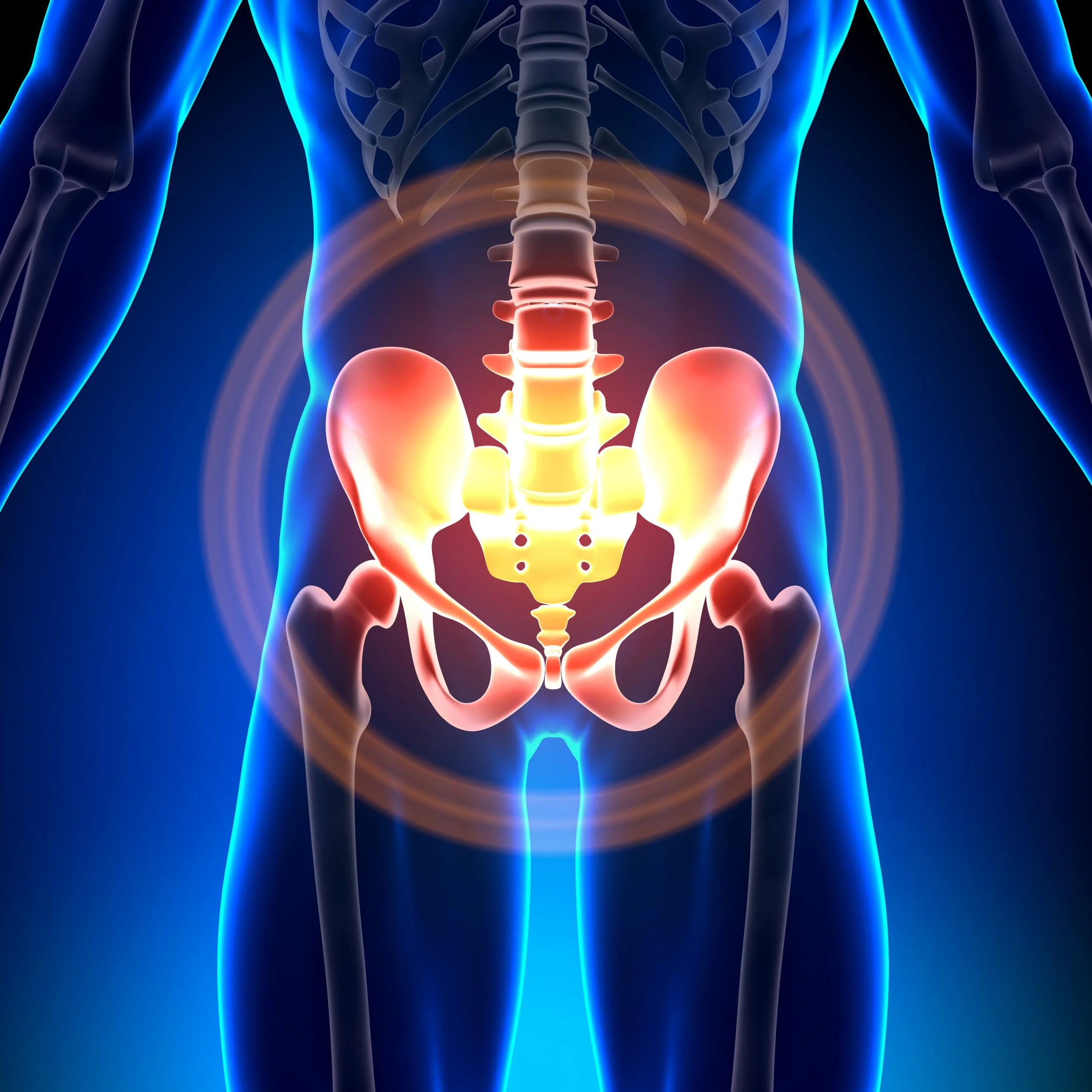
Healthy hips have a significant role in almost all everyday activities. When the hips are mobile, you get better walking mechanics, more effective lifting techniques, improved balance, easier stair climbing, and better athletic performance. For people with physically demanding jobs, sufficient hip movement helps generate power when lifting and reduces excessive stress on the lumbar spine and knees.
Sedentary lifestyles have become more common worldwide, leading to more time spent sitting in sustained postures. Sitting for long periods causes the hip flexor muscles to stay shortened while the gluteal muscles become less active. As a result, muscle tightness, weakness, and decreased joint mobility can all occur. Additionally, prior injuries, repetitive movements, a lack of physical activity, and normal aging can all contribute to a decline in hip function.
If hip mobility decreases, the body compensates by making the muscles around the lower back or the knees more active. For instance, when picking an object up from the floor, restricted hip mobility might cause the body to rely on the smaller muscles in the lower back to perform the movement. Although this lets you complete the task, relying on these muscles can add stress to the lower back and lead to discomfort over time.
Improving hip mobility shouldn’t be viewed as a long, challenging process or as something that requires intense workouts. One of the most effective things to focus on is moving constantly throughout the day.

Consistently switching between sitting and standing is a simple starting point. Flexible dynamic stretches, such as hip flexor stretches, the figure-four stretch, and the world’s greatest stretch, can help increase flexibility. Just as important is working on the muscles that support the hips. Exercises such as glute bridges, clamshells, bodyweight squats, bird dogs, and planks help build strength in the gluteal muscles and core, which in turn improves hip stability and the quality of your overall movement.
Core strength is also important for hip health, as a strong core provides a stable base that enables the hips to move efficiently while reducing unnecessary stress on the spine. The hips and core don't work on their own; they work as a unit when lifting, carrying, climbing, or walking. Improving the strength of both areas leads to better balance, posture, and control of movement.
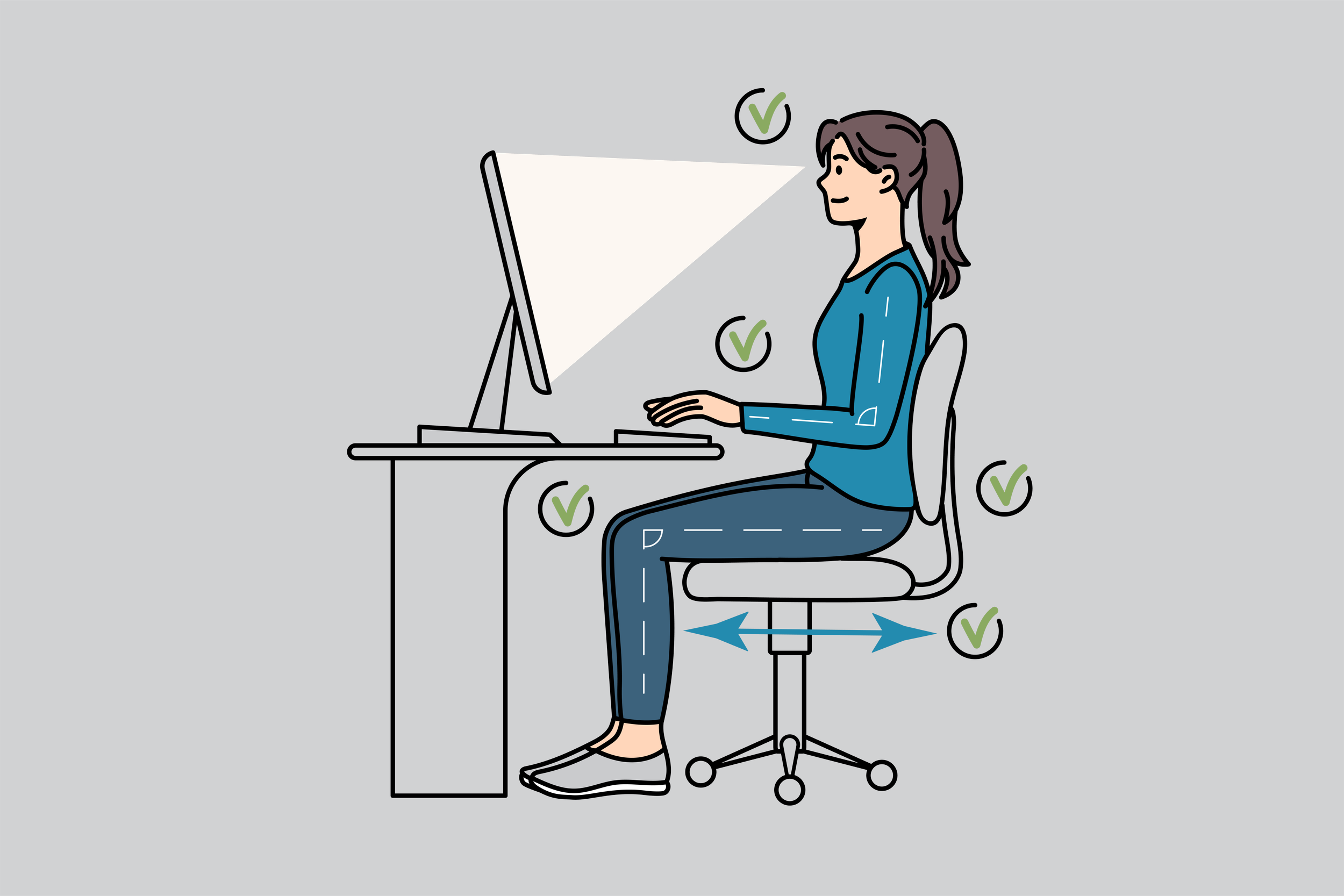
Good ergonomics will likewise help to protect your hips during the workday. Adjust your chair so your hips are level with your knees, keep both feet flat on the floor, and avoid sitting with your legs crossed for long periods. When your job involves a lot of sitting, you should stand, stretch, or walk for 2 to 3 minutes every 30 to 60 minutes. Alternating between sitting and standing helps restore blood flow, reduce stiffness, and keep joints mobile.
Movement begins in the hips, and it is important to have healthy hips to move efficiently. You can keep your hips mobile and healthy by getting regular exercise, strengthening your core and glutes, doing flexibility training, and practicing good ergonomics.
Article written by Mike LaVallee MS, LAT, ATC
Does Getting Quality Sleep Really Matter? Find out here
The Importance of Quality Sleep
For many people, sleep issues and challenges are incredibly common. The quality of your sleep can significantly impact your physical and mental health, as well as your overall vitality.
For many people, sleep issues and challenges are incredibly common. The quality of your sleep can significantly impact your physical and mental health, as well as your overall vitality. Chronic poor sleep is linked to higher risks of heart disease, diabetes, and a reduction in overall lifespan. Given the importance of sleep on our health and well-being, lifestyle changes and strategies may help improve sleep quality and quantity.
To improve your sleep, consider why and how we sleep. Every animal sleeps or rests to some extent, highlighting its physiological necessity. Yet the exact reason we sleep remains, to some degree, a scientific mystery. Sleep is driven by our body’s drive for sleep homeostasis, in which sleep pressure increases the longer you’re awake, and circadian rhythm, your body’s natural clock. These processes are managed by several different parts of the brain, again highlighting its complexity. As we sleep, we cycle through several sleep stages.Stage 1 is light sleep, occurring as you first fall asleep. Stage 2 occurs as the body relaxes, slowing breathing and heart rate. Stage 3 is the deepest sleep stage and allows restoration and recovery. Finally, stage 4, or REM sleep, is characterized by increased brain activity and dreaming. REM sleep is especially important for memory formation and learning. Throughout the night, most people go through 4-6 sleep cycles. Their lengths can be affected by age, stress, health conditions, alcohol and drug use, and changes to sleep patterns.

Do you struggle to fall asleep or stay asleep? Insomnia is a sleep disorder that affects up to 10% of the world’s population to some degree. Its presentation can include trouble falling asleep, staying asleep, and early waking without being able to fall back asleep. Over time, this can significantly affect memory, coordination, response time, mood, and other processes. It can also increase your risk of health conditions including depression, anxiety, high blood pressure, stroke, heart attack, sleep apnea, type 2 diabetes, and obesity. Managing insomnia is essential in protecting your overall health.
How can you improve your sleep? First, try to maintain a regular and consistent sleep schedule throughout the week. A regular bedtime and wake time can help drive your circadian rhythm, helping your body settle down at the end of the day. Second, create a consistent bedtime routine. Simple tasks, like washing your face and brushing your teeth, can help cue the body and brain to rest. Consider activities like reading, stretching, or listening to music to help wind down before bed as part of your nightly routine. Third, avoid electronic devices such as tablets, laptops, and cell phones for at least 30-60 minutes before bed.

These devices can both overstimulate the brain and hinder the body’s production of melatonin, a hormone that helps drive sleep. Fourth, consider how your activities and choices during the day may impact your sleep.
Prioritize getting enough sunlight during the day to drive your circadian rhythm. Limit naps to short, early-day ones. Avoid excessive caffeine consumption, especially later in the day, as it can affect overall sleep quality and prevent you from fully entering deep sleep. Finally, create an ideal sleep environment. Limit sources of light and noise. Consider white noise or earplugs if sound is an issue. Set up your bed with comfortable bedding that is appropriate for the room’s temperature. If possible, adjust the room temperature to your preference, but err on the cooler side. While these changes may seem daunting, small adjustments to your sleep environment, routine, and daily activities can make a big impact on sleep quality.
Still feeling restless? Meditation and relaxation techniques, like breathing exercises, can help calm the brain and body. Box breathing and progressive relaxation are two common, easy exercises used for this purpose. To perform box breathing, start by lying comfortably in bed. Take a deep breath through your nose for a count of four, hold your breath for a count of four, exhale slowly through your mouth for a count of four, and again hold your breath for a count of four. Repeat this cycle for several minutes, focusing on the sensation of your breath. As it gets easier, you can increase the duration of your breaths and holds. Progressive relaxation is another option you can do while lying comfortably in bed. As you lie down, take a breath in and tense a muscle group (like your hands or feet) for 5-10 seconds. Then, as you breathe out, quickly relax the muscle group. Rest and breathe softly for 10-20 seconds, and repeat.
In summary, understanding the science of sleep and adopting practical strategies can greatly improve both the quality and quantity of your rest. By making small, consistent changes to your daily habits, bedtime routine, and sleep environment, you can support your body’s natural rhythms and address common sleep challenges.
Article written by Meghan Del Valle MS, LAT, ATC

Letter from the Editor
As we settle into fall, our routines can change too. Days are getting shorter, the holidays are quickly approaching, and before we know it, our schedules can get busier than ever. With so much going on, it's easy to put our own health and wellness aside. This quarter we’ll focus on a few simple but important ways to keep taking care of yourself as we head into the fall and holiday season.

Workplace Athlete,
Welcome to fall! Cooler temperatures are finally here; the leaves are starting to change, and the crisp air is a welcome change after the summer heat. Fall has always been one of my favorite times of year. I especially enjoy walking through a pumpkin patch or apple orchard and taking in all the sights, smells, and colors that come with the season.
As we settle into fall, our routines can change too. Days are getting shorter, the holidays are quickly approaching, and before we know it, our schedules can get busier than ever. With so much going on, it's easy to put our own health and wellness aside. This quarter we’ll focus on a few simple but important ways to keep taking care of yourself as we head into the fall and holiday season.
We’re starting with something we all need but don’t always get enough of: quality sleep. Getting enough sleep is important, but the quality of that sleep matters too. Our featured article takes a closer look at why sleep quality matters and how it can affect how you feel and function throughout the day.

Staying active is another important part of maintaining a healthy body. We’ll also explore why hip mobility matters and how keeping our hips moving can support everyday movement. We’re also featuring an article on the rotator cuff, with stretches and strengthening exercises designed to help keep your shoulders healthy and functioning at their best.

And, of course, we can’t forget about nutrition! With the holidays just around the corner, staying on track can sometimes feel like a challenge. Our nutrition article offers some tips for enjoying holiday parties while still making healthy choices. There’s also a healthy deviled egg recipe that could be a great addition to your next holiday gathering.
As we move into the cooler months of fall, remember that wellness is about the small choices we make every day. Getting a good night’s sleep, staying active, keeping our bodies moving, and making thoughtful food choices can all add up to helping us feel our best.
I hope this quarter’s newsletter gives you some helpful information and a few ideas you can put into practice this fall. Take some time to enjoy the season, get outside when you can, and don’t forget to make your own health a priority.
Stay Healthy and Well,
Ashley Zeltwanger MS, LAT, ATC®, CEAS II™
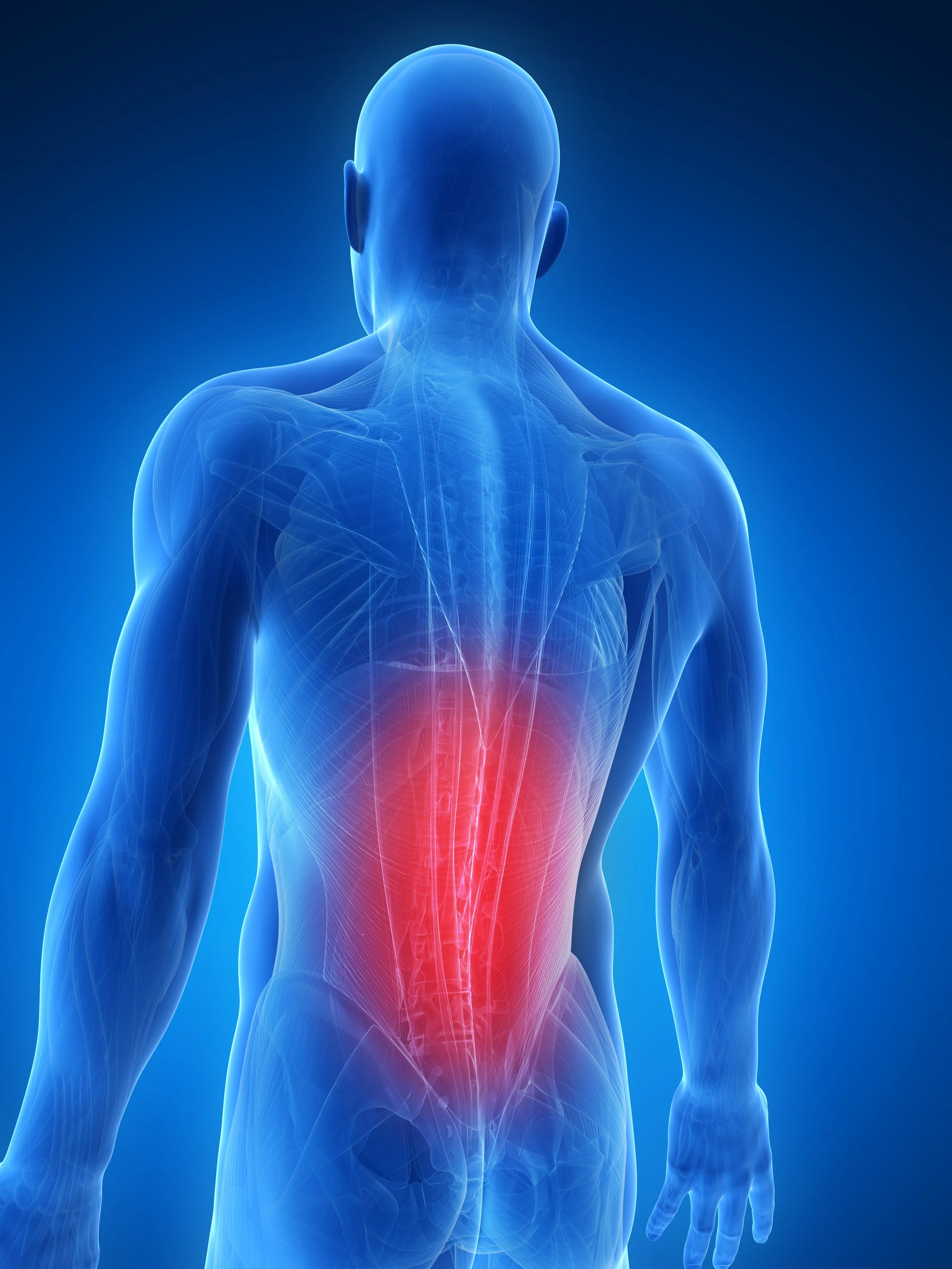
Stretch and Strengthen: Low Back
The low back, which is the lumbar spine that runs from the bottom edge of the ribs on your back to the buttocks (gluteal muscles), supports most of your body’s weight during lifting, climbing, and carrying activities, and posture in your daily tasks. Field workers face extra challenges from carrying heavy loads, maintaining awkward positions, and driving.
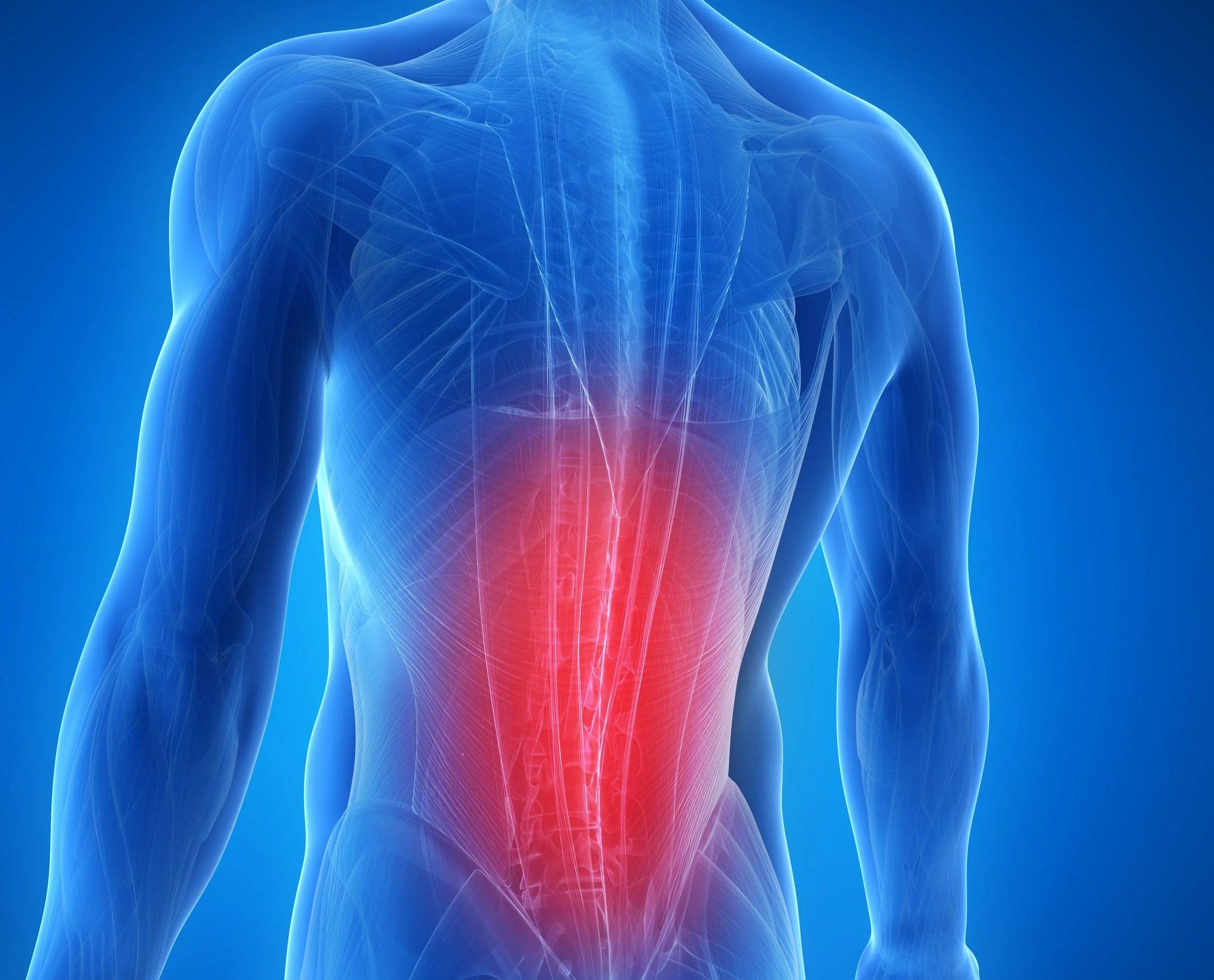
The low back, which is the lumbar spine that runs from the bottom edge of the ribs on your back to the buttocks (gluteal muscles), supports most of your body’s weight during lifting, climbing, and carrying activities, and posture in your daily tasks. Field workers face extra challenges from carrying heavy loads, maintaining awkward positions, and driving.
Office workers may experience low back stiffness from long days sitting and staying in one position. Stretching and strengthening exercises can help improve symptoms, flexibility, and strength.
To Stretch the Low Back: Child’s Pose
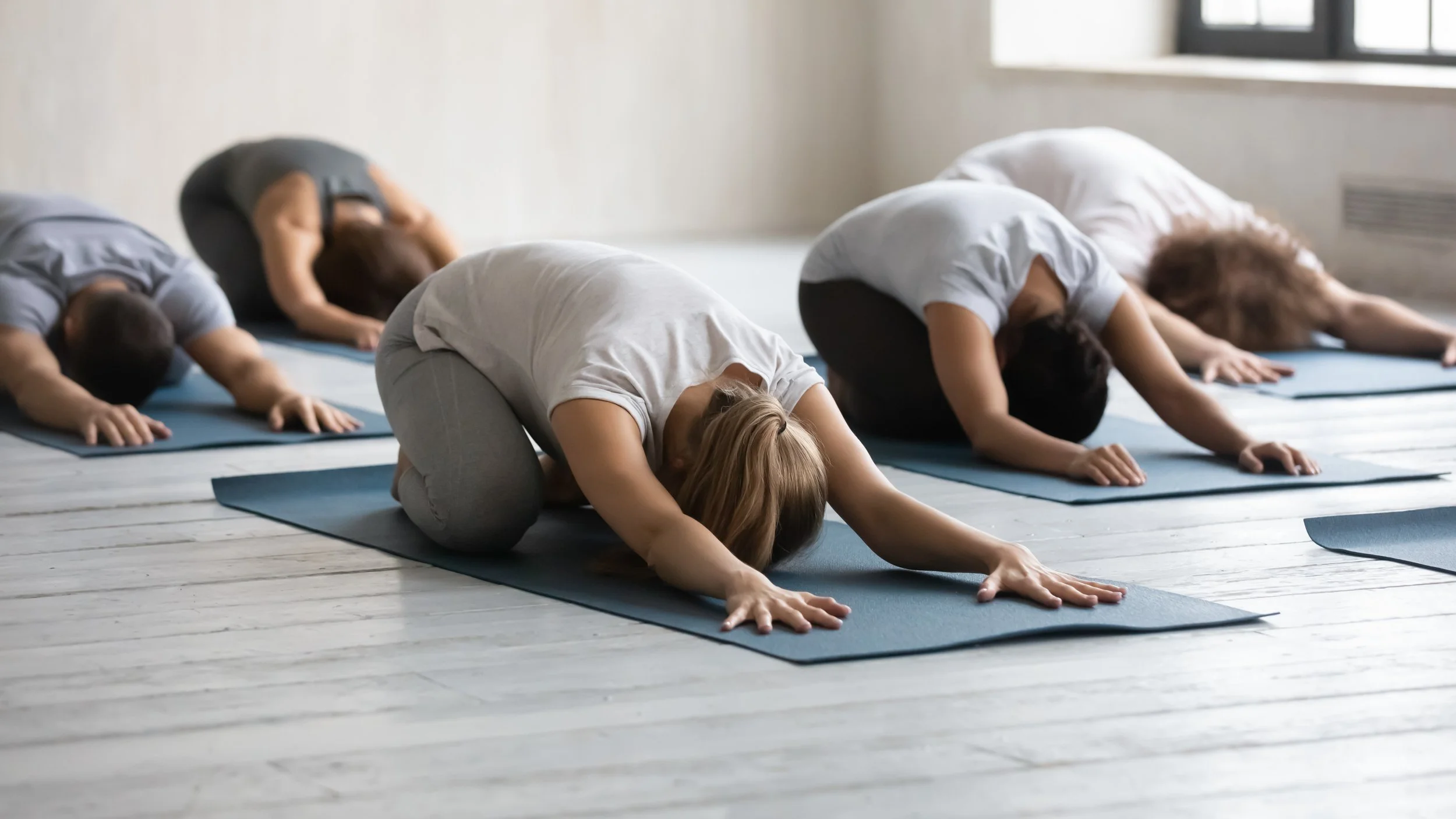
Start on your hands and knees.
Move the hips back toward the heels and reach the arms forward. You can stretch your arms straight or to the side, then switch sides.
You should feel a gentle stretch in your lower back.
Hold for 20 to 30 seconds.
Repeat the stretch 2 to 3 times.
To Strengthen the Low Back: Bird-Dog
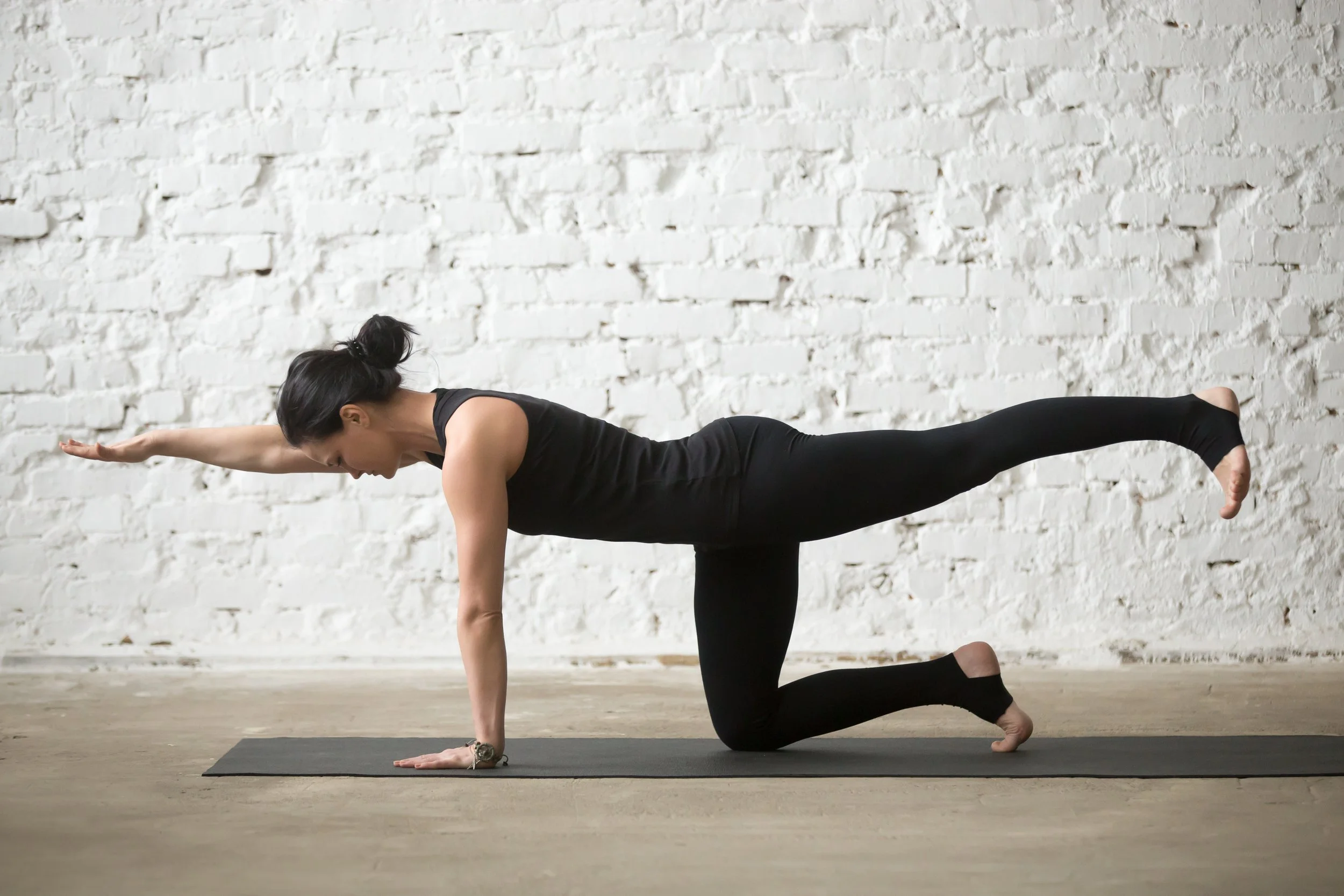
Get on your hands and knees.
Extend one arm in front and the opposite leg behind. Keep your core steady.
Hold for 3 to 5 seconds, then switch sides.
Repeat the movement 8 to 10 times on each side.
Complete 2 to 3 sets of the exercise.
Further Tips: Where possible, reduce time spent in static postures and take frequent movement and ergo breaks. Integrate standing, walking, and frequent positional changes into your day. When performing lifting tasks, keep the load close to your center of gravity and within your power zone, and avoid unnecessary rotation of the lumbar spine. Frequent movement is generally more beneficial than complete rest if you are experiencing low back discomfort.
article by Adam Schippers, MS, ATC
Knee Injury Prevention
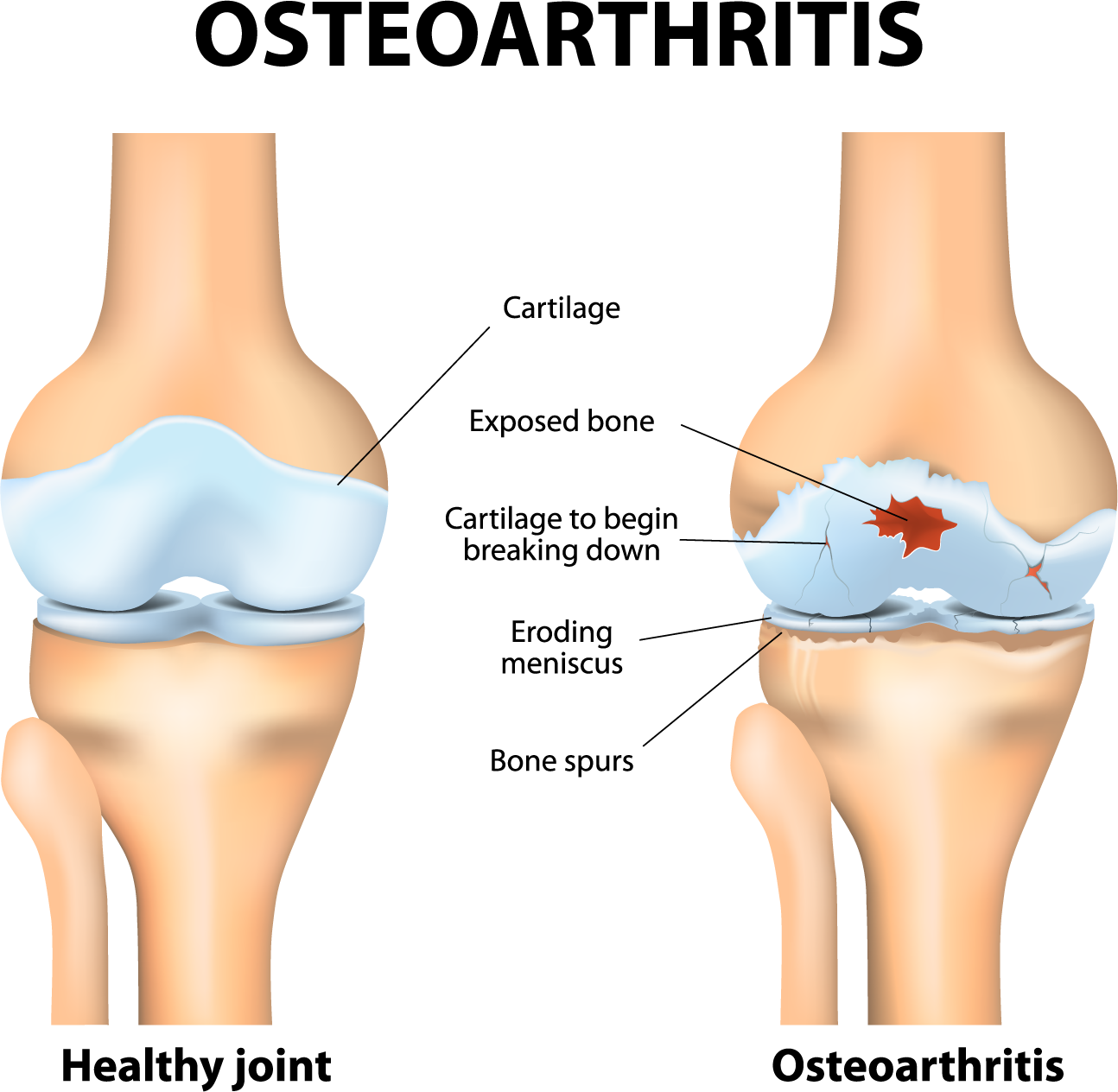
Several factors contribute to knee injuries. Injuries can be a single event or a degeneration over time. The cartilage that covers the joint can break down or tear. The body is unable to properly repair this tissue. This is what is referred to as osteoarthritis. This is usually a chronic condition or one that occurs over time.
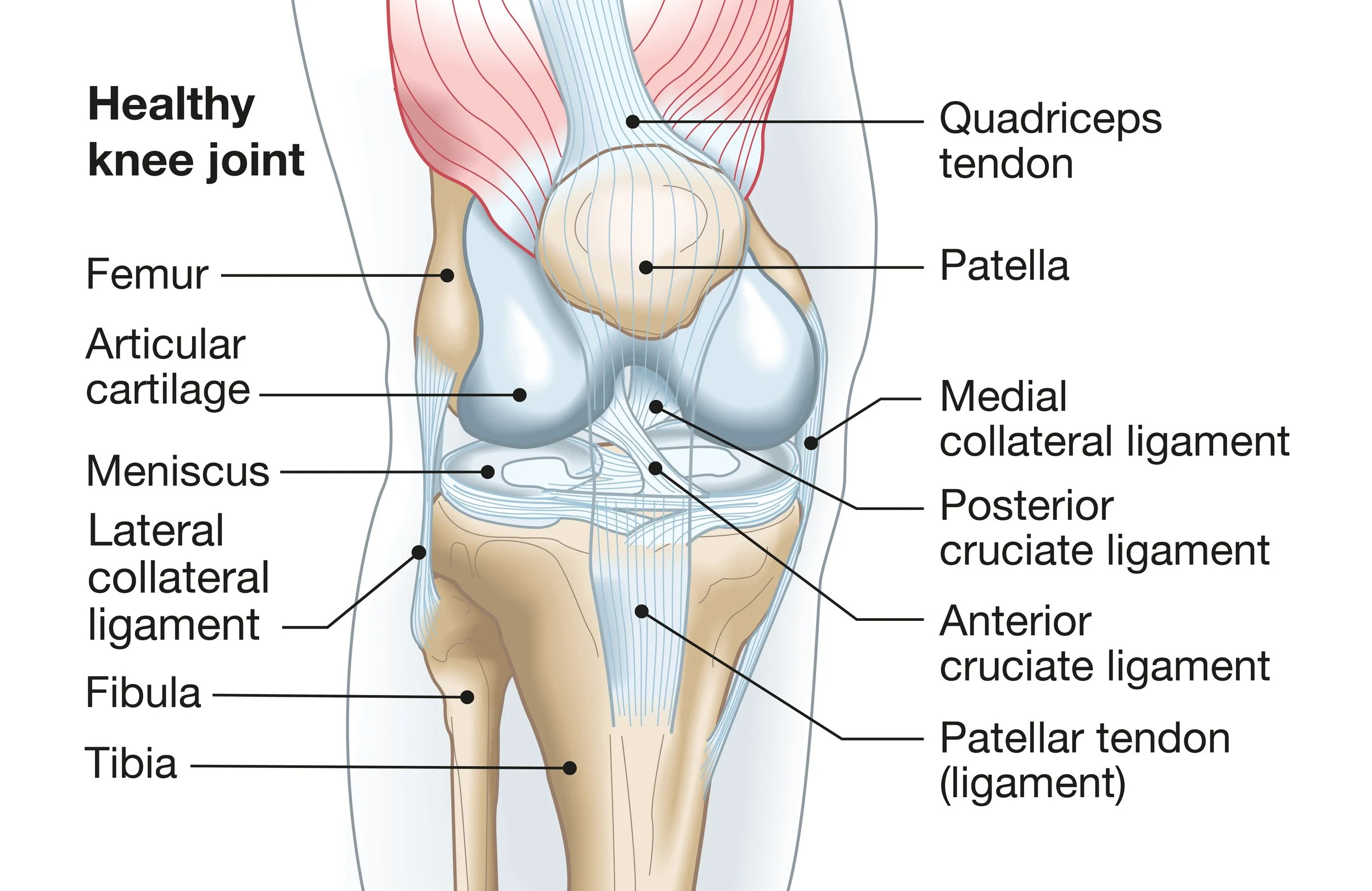
The knee is a hinge joint connecting your femur or your “thigh” bone with your tibia, or “shin bone”. The joint’s primary function is to allow the leg to straighten and bend, with minor rotation occurring to fully extend the knee in a locked position. Connecting the two bones are ligaments on the outside of the bones, called your lateral and medial collateral ligaments, and inside, your anterior cruciate ligament or ACL, and your posterior cruciate ligament or PCL. Your patella (kneecap) is connected by tendons forming the “extensor mechanism” of the knee. Your bones are covered by cartilage, which provides shock absorption and fluid motion. The knee has two crescent-shaped shock absorbers that lie between the tibia and the femur, called the medial meniscus and the lateral meniscus. The entire joint lies within a joint capsule, which encases the structures within it, like a balloon.
Several factors contribute to knee injuries. Injuries can be a single event or a degeneration over time. The cartilage that covers the joint can break down or tear. The body is unable to properly repair this tissue. This is what is referred to as osteoarthritis. This is usually a chronic condition or one that occurs over time. Other structures can be damaged in acute or traumatic injuries. An ACL tear can lead to significant knee instability. Both chronic and acute conditions and injuries are concerns for the long-term health of the knee joint.
There are several things you can do to keep this joint healthy, or, if you are already experiencing symptoms of a chronic knee condition, to reduce them. Maintaining or achieving an optimal weight and body fat percentage can reduce osteoarthritis symptoms and lower the likelihood of new onset. Being overweight by 10 pounds places an additional 15 to 50 pounds of force on the joint. Fat cells also release a protein that triggers systemic inflammation, which can exacerbate joint irritation.
Evaluating and optimizing movement patterns of the trunk and the lower extremities has been shown to decrease the likelihood of knee injuries. Trunk control and stability have been shown to reduce injuries during landing or jumping. Improving hip mobility and control can decrease altered mechanics that can lead to ligament injury. Limited ankle mobility, especially in dorsiflexion, can predispose you to injury as well. A mobility program aimed at increasing ankle mobility has been shown to improve knee joint motion within 8 weeks. Foot strength and balance are often overlooked when evaluating knee stability, but they can be valuable additions to programs designed to optimize knee joint health.
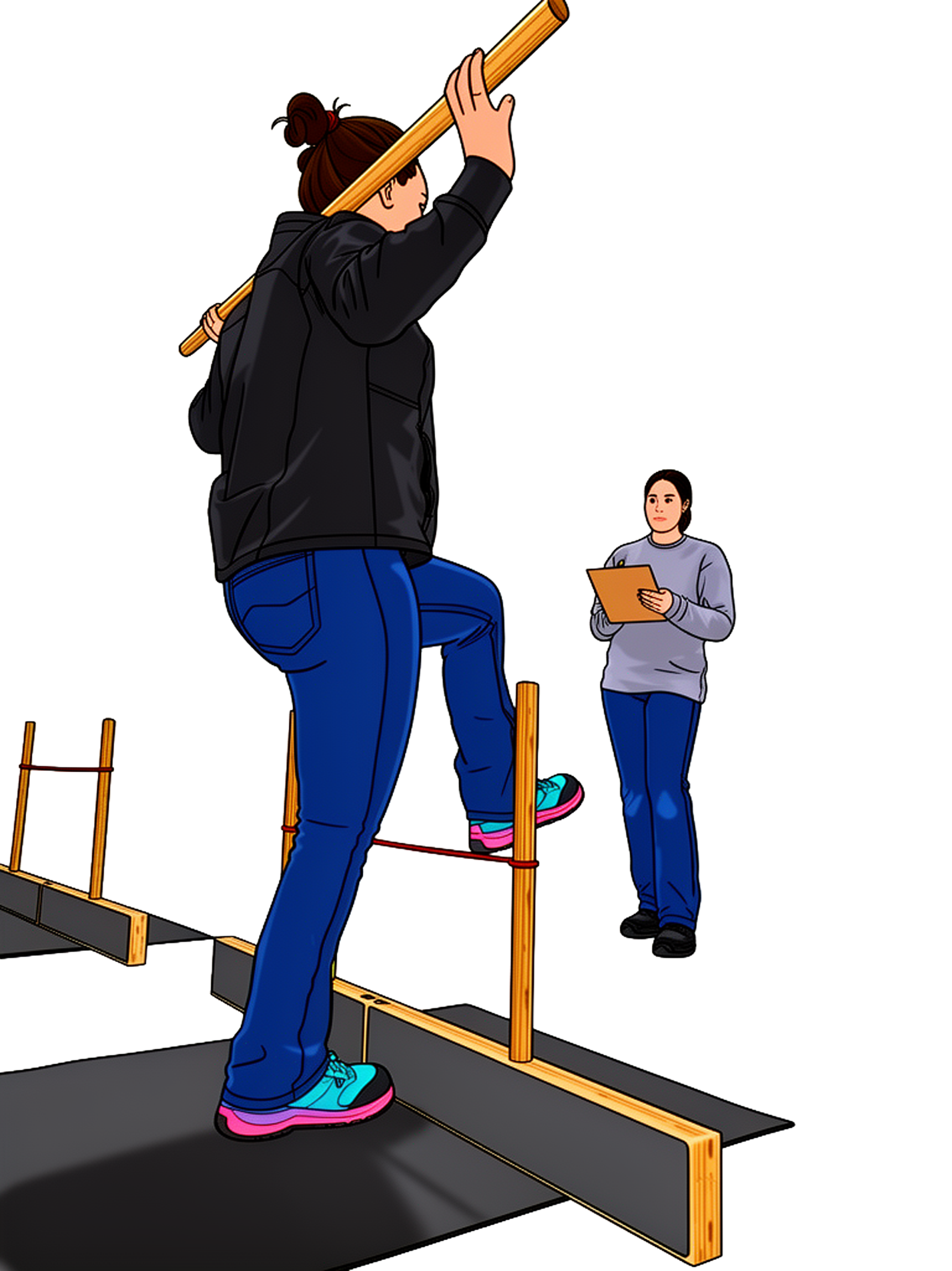
In conclusion, the knee joint allows us to run, jump, walk, kneel, and perform daily activities. Staying active and keeping your weight at optimal levels can decrease the risk of injury and can help alleviate the symptoms of injury or arthritis if they are already present. Strength, mobility, and balance also play a large role in injury prevention and should be evaluated as a whole, not just a knee-centric approach. The Functional Movement Screen (FMS), shown above, is a valuable tool for evaluating your overall movement patterns and correcting deficits. Contact your CIPS Athletic Trainer using the provided QR code to schedule this assessment and improve your movement patterns, which can reduce the risk of injury and discomfort.
Article by Sylvia Sokol Doran, LAT, ATC, CEAS II
Adequate Hydration for Warmer Months (and Beyond!)
Hydration and water are involved in almost every process within the body. When the body is not adequately hydrated, it can affect digestion, mood, energy, internal functions, temperature regulation, detoxification, and more.
How much water do we need daily?
Hydration and water are involved in almost every process within the body. When the body is not adequately hydrated, it can affect digestion, mood, energy, internal functions, temperature regulation, detoxification, and more. The amount of water our bodies need to stay hydrated throughout the day varies from person to person. It can depend on many factors, including age, height, weight, and activity level, as well as underlying conditions such as high blood pressure and diabetes. For most lightly active adults, it is recommended to consume approximately 100-120 oz of water per day. This is equivalent to about 1 gallon per day.
When determining your adequate water intake and how to obtain that amount, it is recommended to track how much water you currently consume and add 20-40 oz every few weeks until it becomes a habit. This will allow your body to adjust to the extra water intake to avoid overhydration. It is recommended to continue increasing this number until reaching about 120 oz, and consult with your Physician or Registered Dietitian to determine next steps.

What are electrolytes, and do I need more of them?
The main electrolytes are sodium, magnesium, chloride, potassium, and calcium. They allow the water to be processed in and out of your body’s cells. Electrolytes should be supplemented during periods of extreme movement or exercise, humid, hot conditions, after illness, and when drinking large amounts of plain water. This avoids any chance of overhydration within the body. It is recommended to start with light electrolyte powders one to three times a day, such as Propel, Ultima, and Nuun. For more extreme conditions, options like Liquid IV and LMNT once a day are recommended. You can also get electrolytes naturally through coconut water, orange juice, added sodium in meals, and potassium-rich foods such as bananas, avocados, and sweet potatoes.
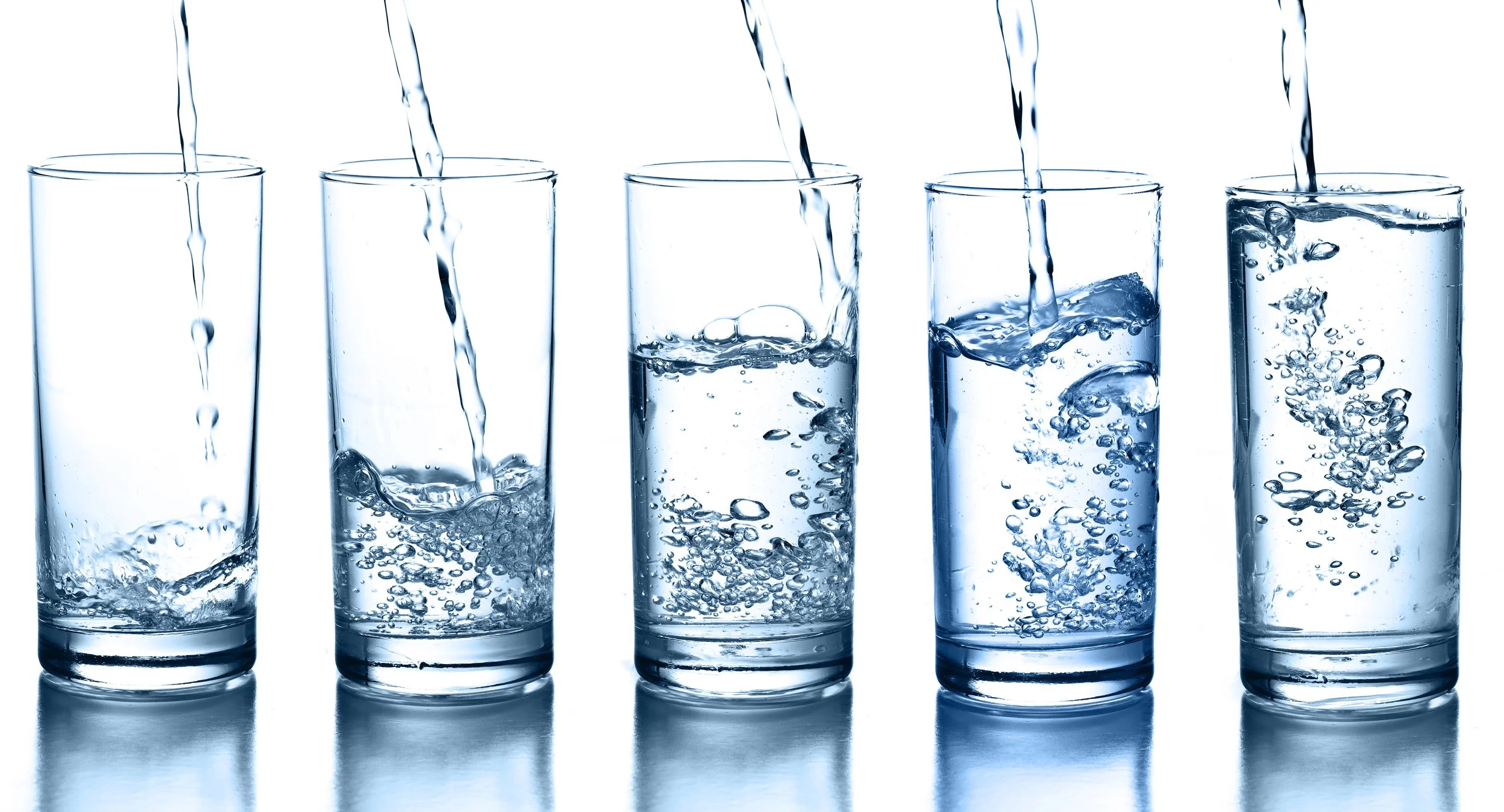
Can I get hydration from more than just plain water?
Yes! It is recommended that most of your water intake come from plain water; however, other hydrating beverages, such as tea, diluted fruit juice, coconut water, and electrolyte drinks, can also contribute to your hydration. Many foods also offer hydrating benefits, such as fruits (watermelon, oranges, melons, strawberries), vegetables (cucumbers, lettuce, celery), soups, and broths.
Article By Taylor Schirra, MHSc, RDN, LDN
Taylor has found a healthy, refreshing recipe for Feta Spinach Grilled Turkey Burgers. Add a fresh fruit salad on the side to get the hydrating benefits along with a tasty summer meal. Check out the recipe here.
Want to know what makes a Workplace Athlete? Read about it here

Built for the Long Haul: Preparing the Utility Workforce Like Athletes
In 1882, Thomas Edison built the first commercial electric power plant. With the first commercial power plant came the first lineman. Since then, the utility sector has evolved to create modern linemen, splicers, mechanics, construction workers, and others who face greater demands and risks than ever before.

In 1882, Thomas Edison built the first commercial electric power plant. With the first commercial power plant came the first lineman. Since then, the utility sector has evolved to create modern linemen, splicers, mechanics, construction workers, and others who face greater demands and risks than ever before. As our grid becomes more “intelligent” every year, workers must become more intelligent and capable of evolving and adapting to ever-changing environments. To handle this, our mindset of taking care of the most valuable tool, you, has to evolve to foster growth and resilience in the mind and body. This new mindset, the philosophy of treating your body as an athlete or workplace athlete, comprises a plan to ensure that you have the skill to adapt and be ready at the drop of a hat, just as an athlete has to be ready to go in the game at any moment.
The “Workplace Athlete” may seem silly to some, but let's really break it down. An athlete must be ready and capable of jumping, lifting, working in the elements, and performing high-intensity short-duration exercise. As a utility worker, you are asked to climb, lift, work in awkward positions, perform in the elements, work long shifts with moderate intensity, work both physically and mentally fatigued, and still be expected to perform with precision under pressure. The body doesn’t know the difference between a fourth-quarter drive and a 16-hour storm restoration shift; it just knows it has a job to do. To sustain a long career, workers need to think like “Workplace Athletes.”
“By failing to prepare, you are preparing to fail.” - Benjamin Franklin.
I have been going out on crew visits with linemen for 5 years now. One thing I notice consistently is that when a crew gets stuck with a helper or construction worker who fails to gather the proper materials or pre-build the hardware, the crew's overall attitude shifts. Other people need to step up to fill the gaps left by the helper or construction worker, and nobody is happy. The same things happen when we fail to prepare our bodies, and we pay for it later in our careers.
Warm-ups not only get the blood flowing but also improve joint elasticity. Speaking of joints, a proper warm-up actually increases the fluid (called synovial fluid) in the joints, much like changing the oil in your car. Focus on active movement instead of static stretching.
Hydration directly affects strength, endurance, focus, and reaction time, and losing as little as 2% of body weight through sweat can reduce physical and cognitive performance while increasing injury risk on the jobsite. Construction workers should aim to drink about 16–24 ounces of water before work, 6–12 ounces every 15–20 minutes during heavy work in the heat, and replace electrolytes during long shifts or excessive sweating to maintain safe performance and recovery.
Sleep is one of the most important preparation tools for construction workers. Getting fewer than 6 hours of sleep might significantly reduce reaction time, coordination, and decision-making, hinder physical recovery, and increase the risk of injury and fatigue-related mistakes.

“You are what you eat, so don't be fast, cheap, easy, or fake.” - Unknown.
My high school wrestling coach used to say, “Garbage in, garbage out,” and I think that is the best way to think about nutrition. While a white Monster and Little Debbie taste amazing, it’s like putting premium gas with an octane booster in your ’94 Toyota Corolla; it doesn't do much for performance. For utility work, that means not skipping meals and giving yourself steady energy to avoid big spikes and crashes. The key idea isn’t perfection; it’s consistency: enough carbs to fuel sustained physical output, enough protein to preserve muscle from breakdown through repetitive lifting/climbing, and enough fat to keep energy stable across a long shift.
"Success is the sum of small efforts, repeated day-in and day-out." — Robert Collier.
Recovery for construction and utility workers is really about helping the body reset so it can handle repeated physical demand day after day, not just “feeling less sore.” A practical method is getting 7–9 hours of sleep, staying consistently hydrated after work (often attempting to replace fluids lost during the shift, not just what you feel like drinking), and eating a recovery meal within a couple of hours that includes 20–40g of protein plus carbs to replenish energy stores. For example, simple recovery options include chicken and rice, a turkey sandwich with fruit, or a protein shake paired with a bagel if you’re on the go. Adding light movement, such as walking and stretching tight areas (shoulders, low back, hips), and avoiding going straight from a high-demand shift into complete inactivity helps reduce stiffness and keep tissues healthier over time. A simple way to think about it is that recovery isn’t a luxury; it’s maintenance. Just as equipment needs to be serviced to stay reliable, the body needs regular recovery habits to stay durable throughout a long career.
At the end of the day, the goal of the workplace athlete mindset is simple: stay healthy enough to keep showing up, performing, and living well long after the hardest years of the job are behind you. Utility work will always be demanding, unpredictable, and physically taxing, but the difference between a short, painful career and a long, sustainable one often comes down to how consistently you prepare, fuel, and recover your body outside of the task itself. When workers start treating those habits with the same seriousness they bring to the jobsite, they don’t just reduce injuries; they extend their careers, improve their daily performance, and protect the life they’re working so hard to build outside of work.
Article written by Brandon Gonzales, DAT, LAT, CEAS II
Letter from the Editor
Summer is the perfect time to breathe new life into your workout routine, and if the heat is making your usual outdoor exercises challenging, it’s a great opportunity to change things up by taking your fitness to the pool.
Workplace Athlete,
We’ve officially made it to summer! I hope you all enjoyed the comfortable days of spring as we now transition into these longer, hotter days.
Summer is the perfect time to breathe new life into your workout routine, and if the heat is making your usual outdoor exercises challenging, it’s a great opportunity to change things up by taking your fitness to the pool. Water activities aren't just for cooling off; they are a fantastic way to stay active. Beyond traditional swimming, activities like water yoga, aqua jogging, water aerobics, and stationary resistance training offer incredible health benefits. As a bonus, many local park districts offer discounted season passes for residents, making pool access an easy, affordable way to stay moving during the hottest months.
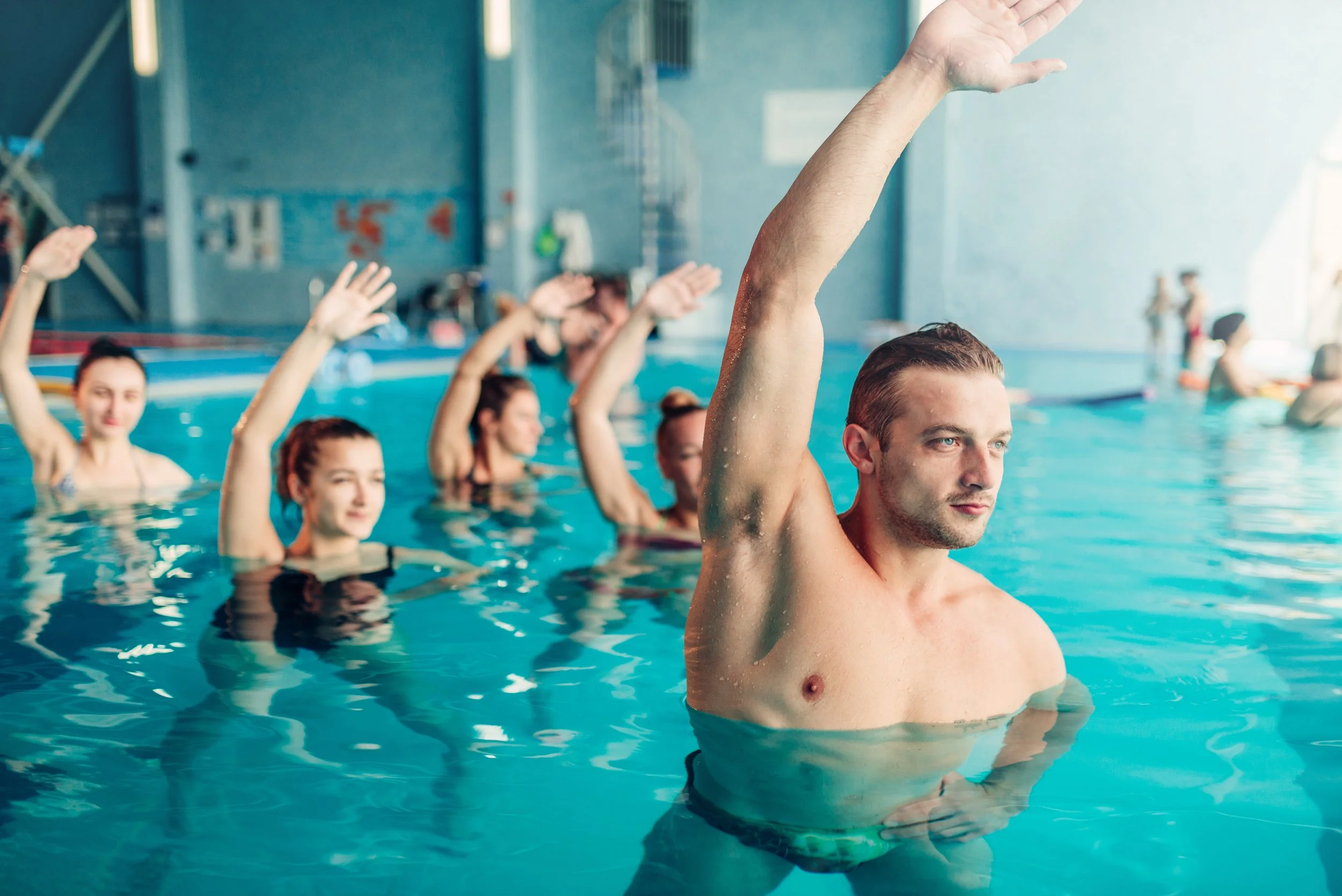
Exercising in the water is also one of the best ways to manage joint discomfort. In fact, swimming provides a powerful, low-impact cardiovascular workout that protects your joints while building strength. If you or someone you know struggles with joint issues, I highly encourage you to check out our featured article on knee pain in this issue. It offers insight into why knee pain happens in the first place and provides everyday steps you can take to find relief.
As temperatures climb outside, taking care of your internal health becomes just as critical. The increased summer heat significantly elevates your sweat rate, which quickly increases the risk of dehydration and heat-related illnesses. Hydration becomes absolutely paramount this time of year, which is why this quarter's nutrition feature breaks down exactly how much fluid your body actually needs and offers the best strategies to ensure you're staying adequately hydrated. And because summer is the perfect time to fire up the backyard grill, we’ve also included a delicious new grilling recipe for you to try at your next cookout.
Finally, I want to talk about a phrase I use often. I frequently address this letter to the "workplace athlete," but you might wonder what exactly makes you one. This quarter's first article will dive deep into this terminology, explaining its origins and how it applies to the hard work you do every day. Your body is the single most valuable tool you bring to any job site. Just as you would carefully maintain and properly handle a saw, a hammer, or a piece of heavy machinery, it is equally vital to treat your physical self with that same level of respect and care.
I hope this quarter's blog posts give you the tools, tips, and recipes you need to stay safe, strong, and healthy all summer long. Stay cool, stay hydrated, and enjoy the season!
Stay Healthy and Well,
Ashley Zeltwanger MS, LAT, ATC®, CEAS II™

Letter from the Editor
Spring is finally here! I hope you were able to navigate winter well and are looking forward to the increase in daylight and warmer temperatures. Spring is the perfect time to change up your workout routine and incorporate more fresh air!

Workplace Athlete,
Spring is finally here! I hope you were able to navigate winter well and are looking forward to the increase in daylight and warmer temperatures. Spring is the perfect time to change up your workout routine and incorporate more fresh air!

Did you know that a 10-minute walk during your lunch break can help reset your body, possibly reducing discomfort, improving work efficiency, and enhancing overall workplace well-being? It can be especially helpful in positions that require a sustained posture or frequent repetitive tasks. Fresh air can also have a relaxing effect on your mind, leading to improved thinking and reasoning. Reducing discomfort throughout your workday can also help you have better quality time at home with family.
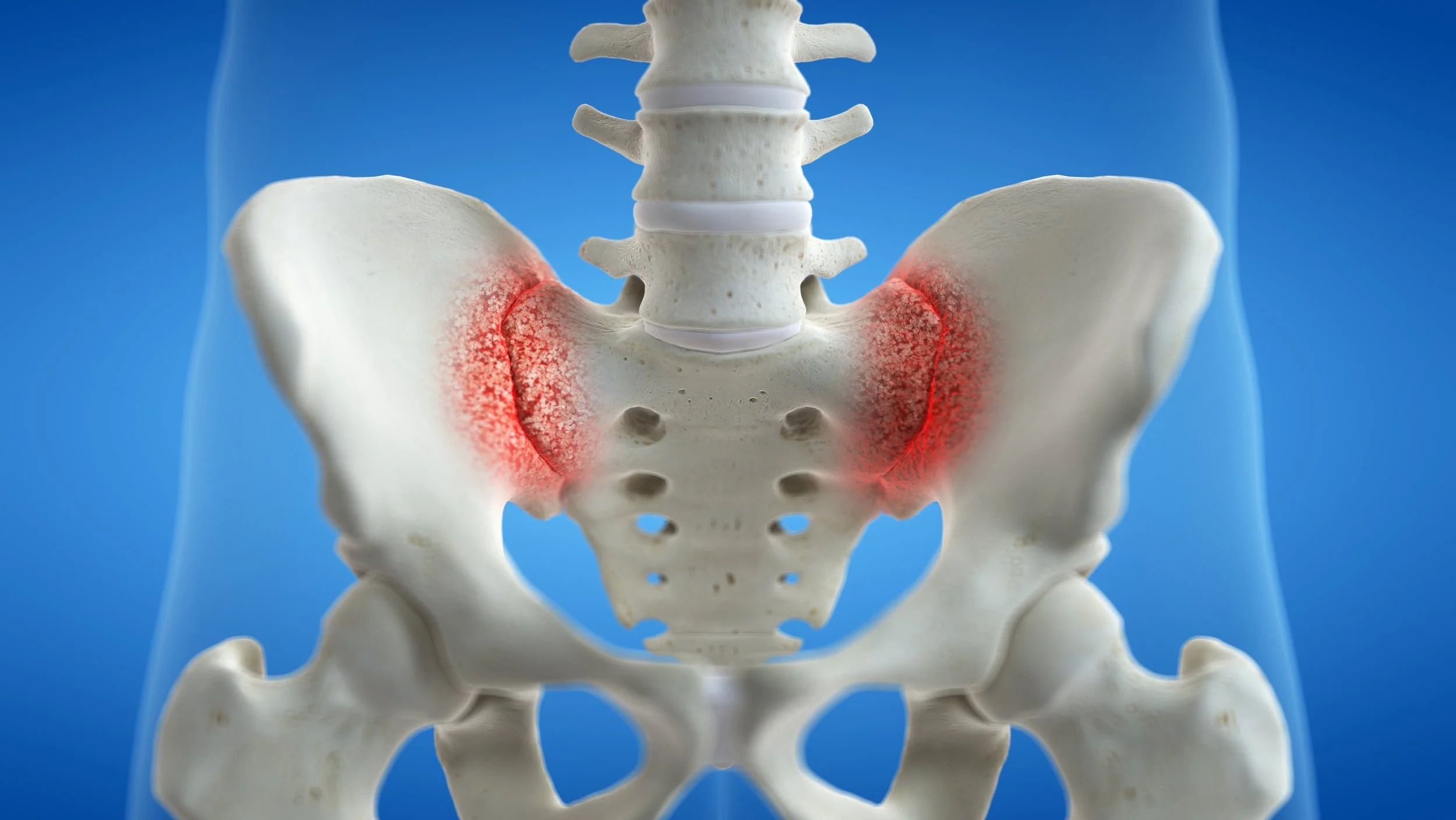
This quarter the articles specifically give ideas on how you can help manage low back discomfort. Targeted stretching and strengthening of the key muscle groups discussed can have a positive effect on progressing toward a pain-free life. While breaks, rotating job tasks, and stretching are important, your desk setup can also help reduce the risk of developing musculoskeletal injuries, including low back pain, carpal tunnel syndrome, and other discomforts described in this newsletter. By combining all of these suggestions, you can help reduce low back pain and other discomforts, become more active, get outside, and enjoy life.

Spring also means more fresh produce availability. Spring vegetables, including asparagus, leafy greens, peas, carrots, broccoli, and fresh garlic, pair well with the lemon herb baked salmon recipe well see later this quarter. Did you know gardening can also have a profound impact on your physical, mental, and nutritional health? Gardening can combine full-body exercise while also reducing stress. It can help lower blood pressure, strengthen muscles, and boost Vitamin D levels. Raised garden beds or containers can be beneficial when space is limited and offer advantages like better soil control and drainage, reduced weeds, and the ability to work in the power zone!
Did you know a CIPS representative can help you do all of this? Reach out today to get started!
Stay Healthy and Well,
Ashley Zeltwanger MS, LAT, ATC®, CEAS II™