
Built for the Long Haul: Preparing the Utility Workforce Like Athletes

In 1882, Thomas Edison built the first commercial electric power plant. With the first commercial power plant came the first lineman. Since then, the utility sector has evolved to create modern linemen, splicers, mechanics, construction workers, and others who face greater demands and risks than ever before. As our grid becomes more “intelligent” every year, workers must become more intelligent and capable of evolving and adapting to ever-changing environments. To handle this, our mindset of taking care of the most valuable tool, you, has to evolve to foster growth and resilience in the mind and body. This new mindset, the philosophy of treating your body as an athlete or workplace athlete, comprises a plan to ensure that you have the skill to adapt and be ready at the drop of a hat, just as an athlete has to be ready to go in the game at any moment.
The “Workplace Athlete” may seem silly to some, but let's really break it down. An athlete must be ready and capable of jumping, lifting, working in the elements, and performing high-intensity short-duration exercise. As a utility worker, you are asked to climb, lift, work in awkward positions, perform in the elements, work long shifts with moderate intensity, work both physically and mentally fatigued, and still be expected to perform with precision under pressure. The body doesn’t know the difference between a fourth-quarter drive and a 16-hour storm restoration shift; it just knows it has a job to do. To sustain a long career, workers need to think like “Workplace Athletes.”
“By failing to prepare, you are preparing to fail.” - Benjamin Franklin.
I have been going out on crew visits with linemen for 5 years now. One thing I notice consistently is that when a crew gets stuck with a helper or construction worker who fails to gather the proper materials or pre-build the hardware, the crew's overall attitude shifts. Other people need to step up to fill the gaps left by the helper or construction worker, and nobody is happy. The same things happen when we fail to prepare our bodies, and we pay for it later in our careers.
Warm-ups not only get the blood flowing but also improve joint elasticity. Speaking of joints, a proper warm-up actually increases the fluid (called synovial fluid) in the joints, much like changing the oil in your car. Focus on active movement instead of static stretching.
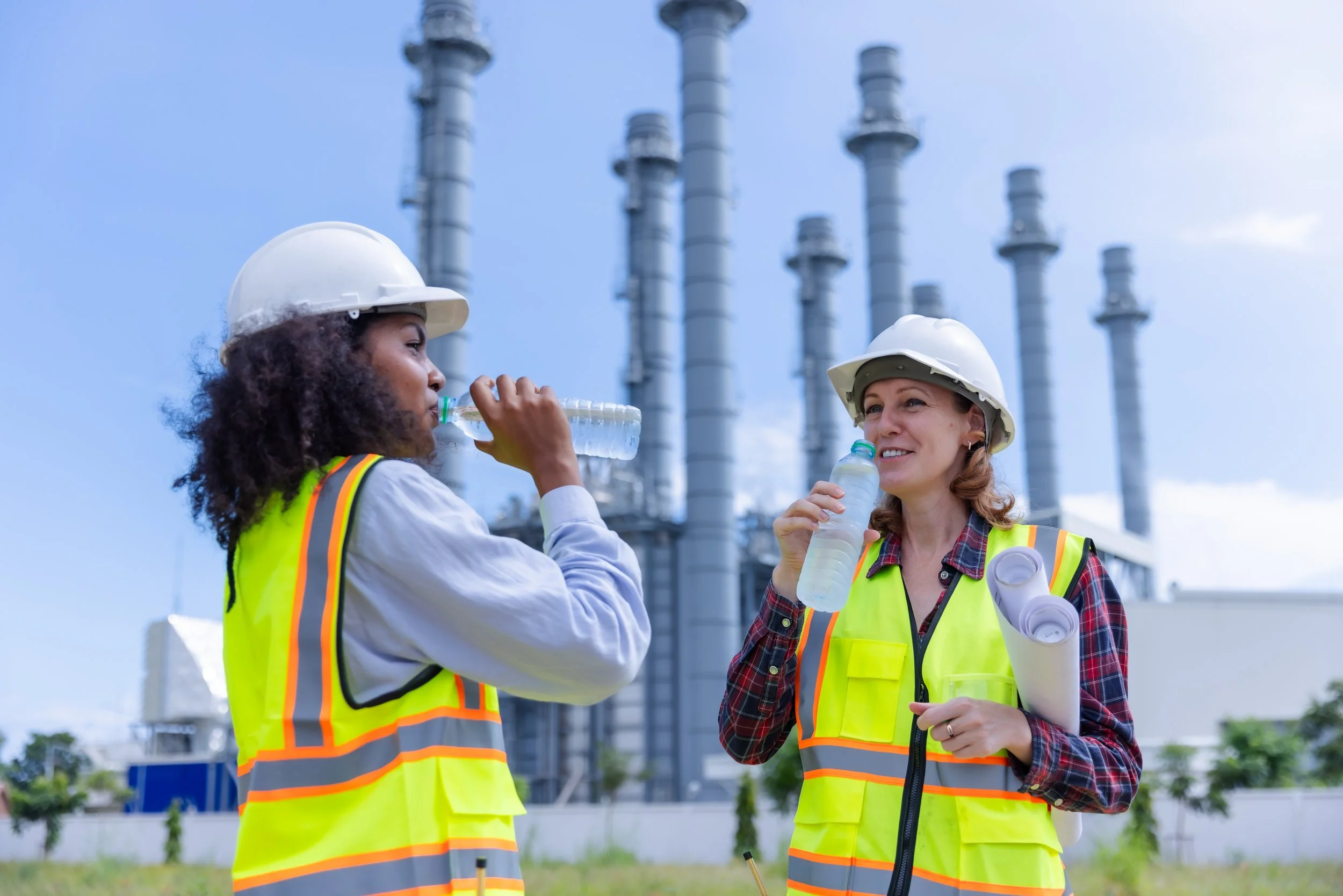
Hydration directly affects strength, endurance, focus, and reaction time, and losing as little as 2% of body weight through sweat can reduce physical and cognitive performance while increasing injury risk on the jobsite. Construction workers should aim to drink about 16–24 ounces of water before work, 6–12 ounces every 15–20 minutes during heavy work in the heat, and replace electrolytes during long shifts or excessive sweating to maintain safe performance and recovery.
Sleep is one of the most important preparation tools for construction workers. Getting fewer than 6 hours of sleep might significantly reduce reaction time, coordination, and decision-making, hinder physical recovery, and increase the risk of injury and fatigue-related mistakes.
“You are what you eat, so don't be fast, cheap, easy, or fake.” - Unknown.
My high school wrestling coach used to say, “Garbage in, garbage out,” and I think that is the best way to think about nutrition. While a white Monster and Little Debbie taste amazing, it’s like putting premium gas with an octane booster in your ’94 Toyota Corolla; it doesn't do much for performance. For utility work, that means not skipping meals and giving yourself steady energy to avoid big spikes and crashes. The key idea isn’t perfection; it’s consistency: enough carbs to fuel sustained physical output, enough protein to preserve muscle from breakdown through repetitive lifting/climbing, and enough fat to keep energy stable across a long shift.
"Success is the sum of small efforts, repeated day-in and day-out." — Robert Collier.
Recovery for construction and utility workers is really about helping the body reset so it can handle repeated physical demand day after day, not just “feeling less sore.” A practical method is getting 7–9 hours of sleep, staying consistently hydrated after work (often attempting to replace fluids lost during the shift, not just what you feel like drinking), and eating a recovery meal within a couple of hours that includes 20–40g of protein plus carbs to replenish energy stores. For example, simple recovery options include chicken and rice, a turkey sandwich with fruit, or a protein shake paired with a bagel if you’re on the go. Adding light movement, such as walking and stretching tight areas (shoulders, low back, hips), and avoiding going straight from a high-demand shift into complete inactivity helps reduce stiffness and keep tissues healthier over time. A simple way to think about it is that recovery isn’t a luxury; it’s maintenance. Just as equipment needs to be serviced to stay reliable, the body needs regular recovery habits to stay durable throughout a long career.

At the end of the day, the goal of the workplace athlete mindset is simple: stay healthy enough to keep showing up, performing, and living well long after the hardest years of the job are behind you. Utility work will always be demanding, unpredictable, and physically taxing, but the difference between a short, painful career and a long, sustainable one often comes down to how consistently you prepare, fuel, and recover your body outside of the task itself. When workers start treating those habits with the same seriousness they bring to the jobsite, they don’t just reduce injuries; they extend their careers, improve their daily performance, and protect the life they’re working so hard to build outside of work.
Article written by Brandon Gonzales, DAT, LAT, CEAS II
