
Why Hip Motility Matters

The hips are made for movement. Whether you are walking across a parking lot, getting into a bucket truck, lifting machinery, or just getting out of a chair, good hip mobility enables your body to move efficiently while reducing the stress placed on other joints. If the hips become less mobile, the lower back and knees tend to take on the work, leading to compensation and imbalances in the kinetic chain. This, in turn, raises the chance of discomfort and injury.
The hip is a ball-and-socket joint formed by the articulation between the femur (thigh bone) and the pelvis, enabling movement in several directions. The gluteal muscles, hip flexors, adductors, hamstrings, and core muscles work together to support both mobility and flexibility. While flexibility focuses on how well a muscle can lengthen, mobility focuses on how well a joint can move through its range of motion with control. Having both helps support safe movement.
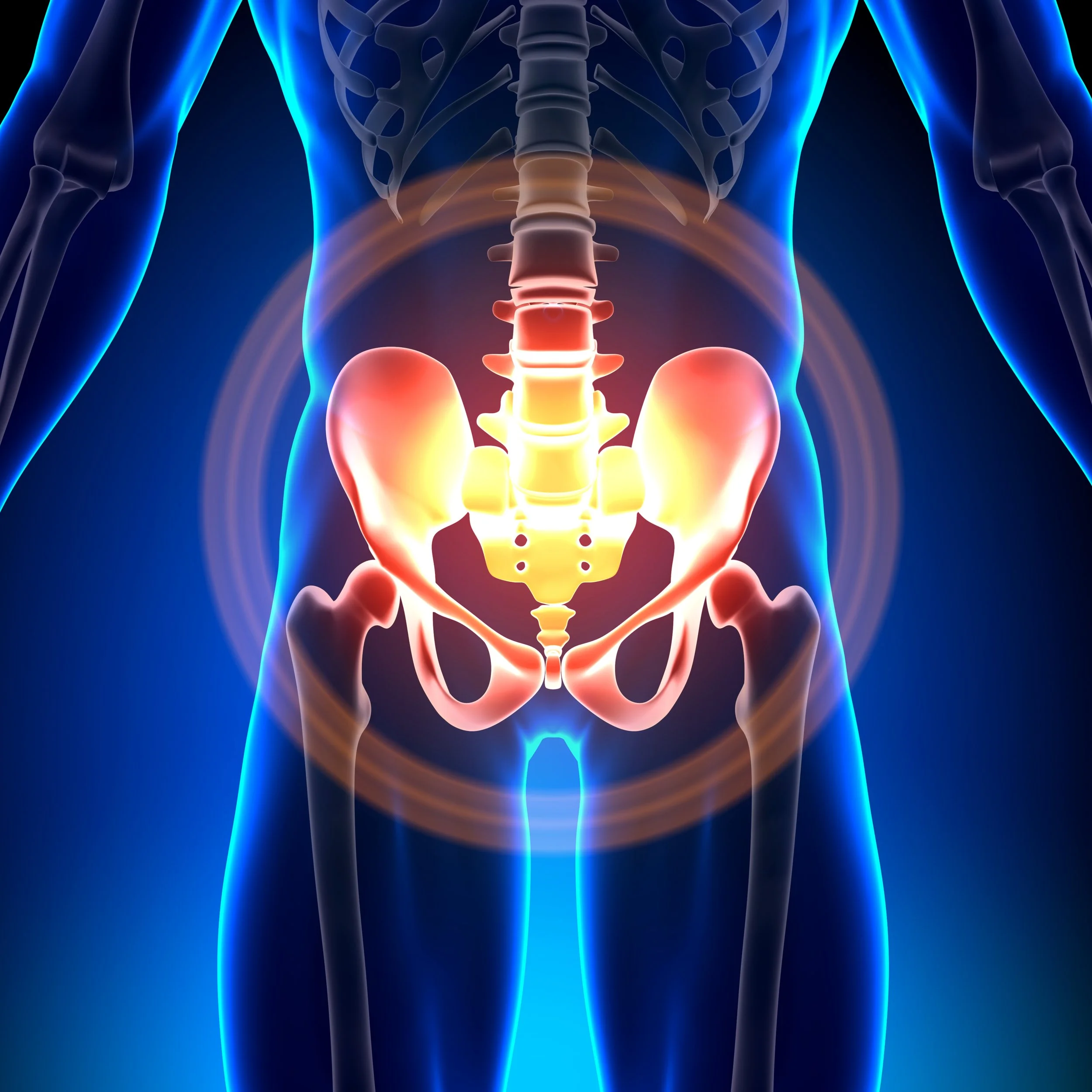
Healthy hips have a significant role in almost all everyday activities. When the hips are mobile, you get better walking mechanics, more effective lifting techniques, improved balance, easier stair climbing, and better athletic performance. For people with physically demanding jobs, sufficient hip movement helps generate power when lifting and reduces excessive stress on the lumbar spine and knees.
Sedentary lifestyles have become more common worldwide, leading to more time spent sitting in sustained postures. Sitting for long periods causes the hip flexor muscles to stay shortened while the gluteal muscles become less active. As a result, muscle tightness, weakness, and decreased joint mobility can all occur. Additionally, prior injuries, repetitive movements, a lack of physical activity, and normal aging can all contribute to a decline in hip function.
If hip mobility decreases, the body compensates by making the muscles around the lower back or the knees more active. For instance, when picking an object up from the floor, restricted hip mobility might cause the body to rely on the smaller muscles in the lower back to perform the movement. Although this lets you complete the task, relying on these muscles can add stress to the lower back and lead to discomfort over time.
Improving hip mobility shouldn’t be viewed as a long, challenging process or as something that requires intense workouts. One of the most effective things to focus on is moving constantly throughout the day.

Consistently switching between sitting and standing is a simple starting point. Flexible dynamic stretches, such as hip flexor stretches, the figure-four stretch, and the world’s greatest stretch, can help increase flexibility. Just as important is working on the muscles that support the hips. Exercises such as glute bridges, clamshells, bodyweight squats, bird dogs, and planks help build strength in the gluteal muscles and core, which in turn improves hip stability and the quality of your overall movement.
Core strength is also important for hip health, as a strong core provides a stable base that enables the hips to move efficiently while reducing unnecessary stress on the spine. The hips and core don't work on their own; they work as a unit when lifting, carrying, climbing, or walking. Improving the strength of both areas leads to better balance, posture, and control of movement.
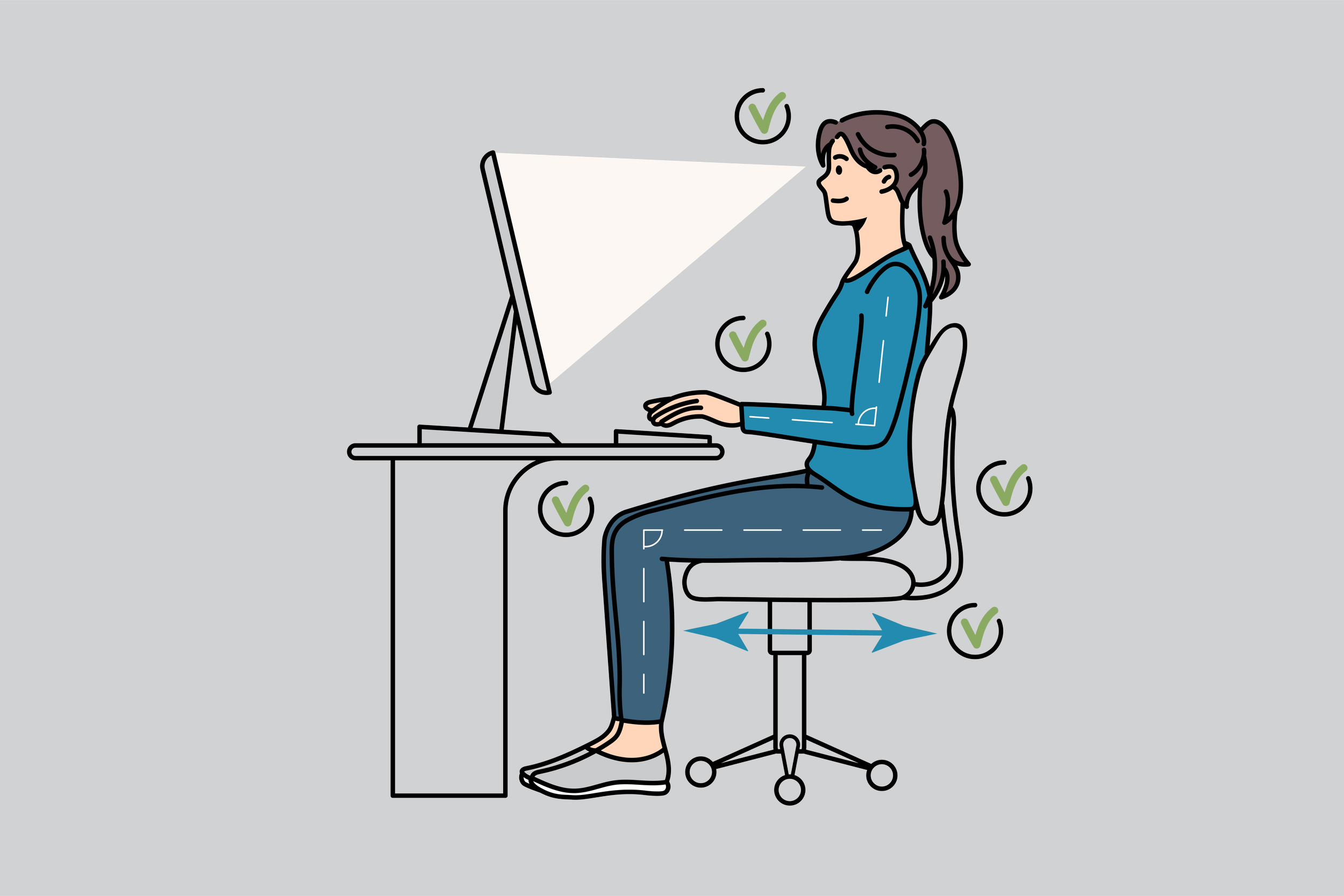
Good ergonomics will likewise help to protect your hips during the workday. Adjust your chair so your hips are level with your knees, keep both feet flat on the floor, and avoid sitting with your legs crossed for long periods. When your job involves a lot of sitting, you should stand, stretch, or walk for 2 to 3 minutes every 30 to 60 minutes. Alternating between sitting and standing helps restore blood flow, reduce stiffness, and keep joints mobile.
Movement begins in the hips, and it is important to have healthy hips to move efficiently. You can keep your hips mobile and healthy by getting regular exercise, strengthening your core and glutes, doing flexibility training, and practicing good ergonomics.
Article written by Mike LaVallee MS, LAT, ATC
Does Getting Quality Sleep Really Matter? Find out here
