
The Impact of Screen Time on Eye Health, Festive Fall Foods, What is Pilates?
The Impact of Screen Time on Eye Health
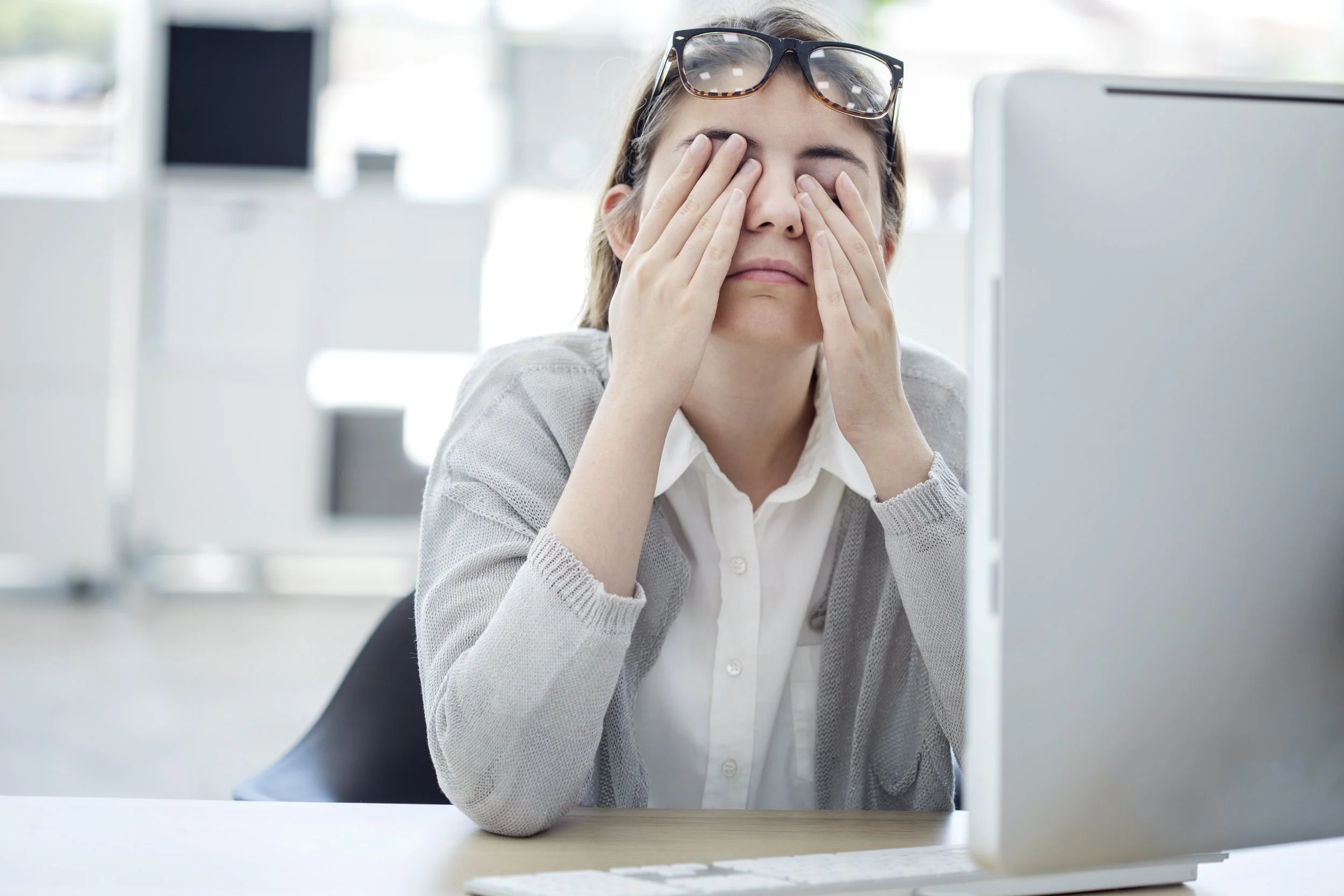
Screen time is a necessary part of our lives, but it can also pose health risks. Eye health is an important consideration when managing screen time. Significant screen time can cause symptoms of digital eye strain (DES) and computer vision syndrome (CVS), including headache, dry eyes, tired eyes, and general fatigue.
How can you protect your eyes? Consider using the 20-20-20 rule. This rule encourages a 20-second break to look 20 feet away for every 20 minutes of screen time. Set a timer every 20 minutes to remind yourself to follow this guideline during extended periods of computer work or phone time. When possible, limit screen time to 4 hours or less per day, especially on non-working days.
Finally, consider ergonomic best practices. Position your computer monitor in front of you, with the top at about eye level and about an arm's length away. Your neck should not be flexed or extended and should remain neutral to view work on your monitor. Position your monitor to limit glare from lights or windows when able. If you work on a laptop for an extended period, consider connecting to a larger screen in a better position. If dry eyes or other vision issues affect you, consider speaking with an optometrist or ophthalmologist about ways to protect your eye health.
Festive Fall Foods

Fall is a great time to add some variety to your diet. As the fall harvest comes in, apples, winter squash, and root vegetables come into season and are available in stores, farmers' markets, and farm stands. Consider adding these foods to meals you already make. Winter squash, including acorn squash, butternut squash, and spaghetti squash, is high in fiber and can bulk up meals when added to pasta or stuffed with meat or grains like rice and quinoa. Acorn squash and butternut squash also work well pureed with extra liquid and seasonings to make a healthy, comforting soup in the colder months. Combine winter squash with root vegetables like carrots, potatoes, turnips, and parsnips, then roast them on a sheet pan for a quick, hearty meal. Finally, this fall, try different types of apples to see which one you like best. Different apple varieties come into season throughout the fall and can be eaten on their own, chopped and added to salads, or baked into sweet treats.
What is Pilates?
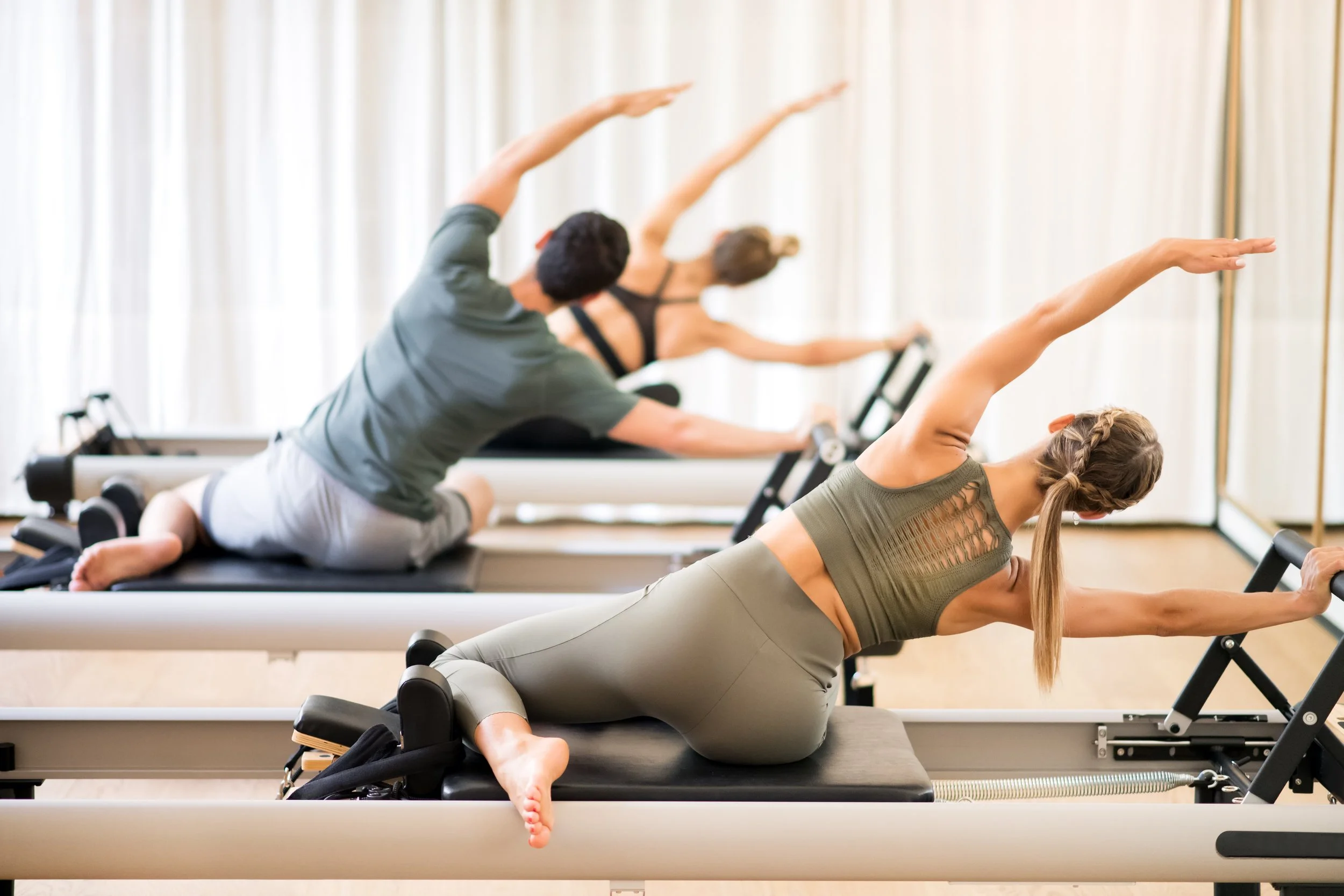
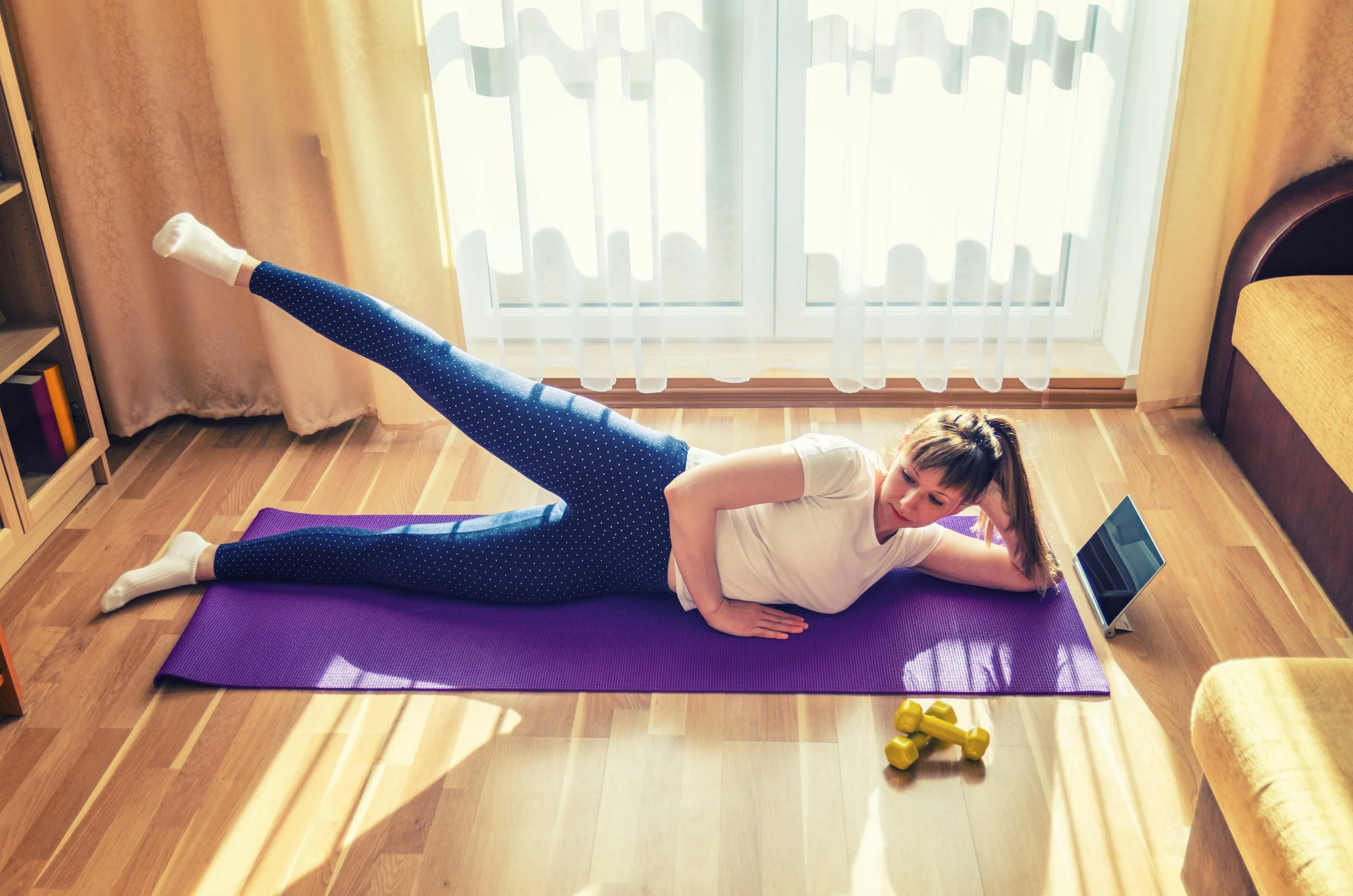
Pilates is an exercise style developed in the early 1920s and named for its creator, Joseph Pilates. Pilates has roots in ancient Greek and Eastern practices and emphasizes the relationship between the mind, body, and spirit. It combines elements of martial arts, gymnastics, and dance, and centers on six basic principles: centering, concentration, control, precision, breath, and flow. Both classical Pilates and modern Pilates are rooted in these principles. Classical Pilates, however, centers on the posterior pelvic tilt movement, which helps support and strengthen the lower back and pelvis building a foundation for stability. Classical Pilates is performed consistently, using the same routine and movements Joseph Pilates intended. Contemporary or modern Pilates uses many of the same movements and principles but allows for changes in routine, movement, and equipment.
One of Pilates' greatest health benefits is its focus on core strengthening. The muscles of the “core” include the abdominals, back, and pelvic floor muscles, which provide stability for nearly all movements the human body performs. These muscle groups are especially important for maintaining stability and balance during both basic walking and standing, as well as more advanced movements.
Core strengthening can also improve posture and relieve lower back discomfort. Pilates can also help increase overall flexibility and mobility, reducing the risk of muscle strains and other injuries. Finally, because it focuses on the mind-body connection, Pilates can be a great option for reducing stress, improving mood, and relaxing the mind.
Interested in trying Pilates? Pilates adapts easily to different fitness levels and is a low-impact option for a daily exercise routine. When starting a Pilates routine, look for a class that focuses on proper technique, muscle engagement, and overall form. There are several types of Pilates classes, including mat Pilates, reformer Pilates, chair Pilates, and other equipment-centered Classes. If you can't make a formal class work for you, many online workout videos can introduce you to Pilates. Mat-based Pilates is typically a good place to start, as it requires little extra equipment and many movements are foundational to Pilates. Try it and see how Pilates can improve your overall health and well-being.
