
Office Noise Pollution

Typically, we think of noise pollution as something that exists outside: traffic, construction, airplanes flying overhead. But what if you work in an office setting? Would you consider coworkers chatting, a copy machine, keyboard clacking, and doors constantly opening and closing noise pollution? Think of it this way: can these sounds cause stress at various times throughout the day? Absolutely.
While noise pollution is most commonly associated with hearing loss, it can also cause stress you may not realize. Stress triggers a reaction and can release hormones such as cortisol and adrenaline, which, when triggered chronically, can contribute to cardiovascular strain over time.
Your body does not need to perceive a sound as painfully loud for it to become stressful. Unexpected, repetitive, or distracting sounds can keep your brain in a state of heightened alertness when you are trying to concentrate. In one study, participants exposed to higher office noise remembered fewer words and felt more tired than those in quieter conditions.
So, what can you do about it? Start by paying attention to which sounds tend to interrupt your concentration or increase your stress. When possible, choose a quieter location for tasks that require focus. If your workplace allows them, consider using headphones to reduce distracting sounds or listen to neutral background sounds. You can also silence unnecessary notifications, move away from particularly noisy areas when practical, or take a few minutes in a quieter space when you feel overwhelmed. Even simple actions, such as taking a few slow breaths, briefly closing your eyes, or stepping outside for fresh air, can give you a short break from constant stimulation.
You don't have to eliminate every sound around you to reduce its impact. Becoming aware of what triggers your stress and making small behavioral adjustments throughout the day may help you feel more comfortable and better able to manage the noise around you.
Proprioception
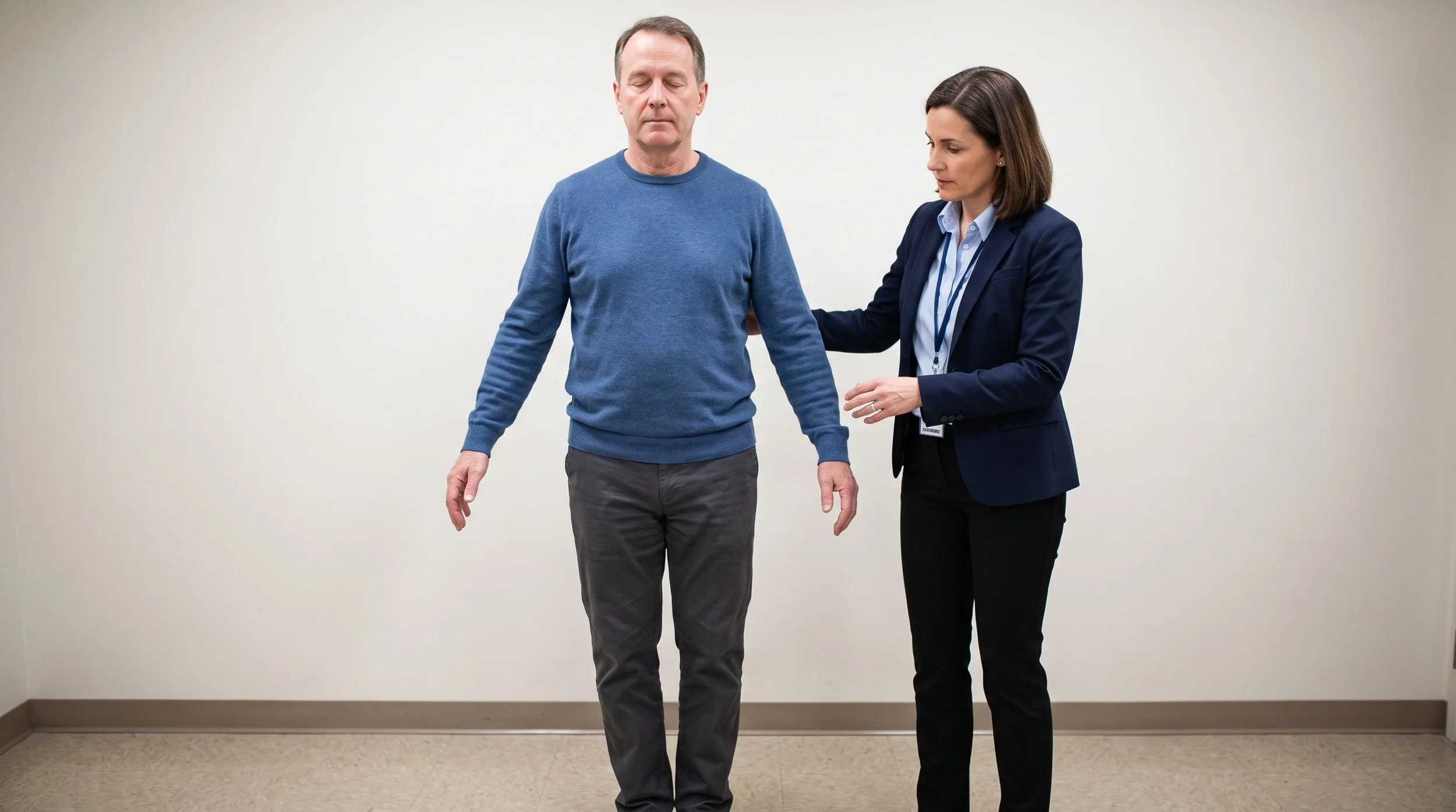
You may not think about where your body is in space throughout the day, but your brain is constantly keeping track. That ability is called proprioception: your awareness of where your body and joints are positioned and how they are moving, even when you aren't looking at them. Simply put, proprioception helps your body know where it is and how it moves without requiring you to think about it.
In practical terms, proprioception helps you know where your hand is when you reach for your keyboard without looking down. It also helps you walk around your office, step over an object, or reach for something on a shelf without consciously watching every movement.
Good proprioception supports coordination, balance, body awareness, and efficient movement. Research shows that proprioceptive training can improve function and motor performance, while balance and coordination exercises can improve balance in healthy adults.
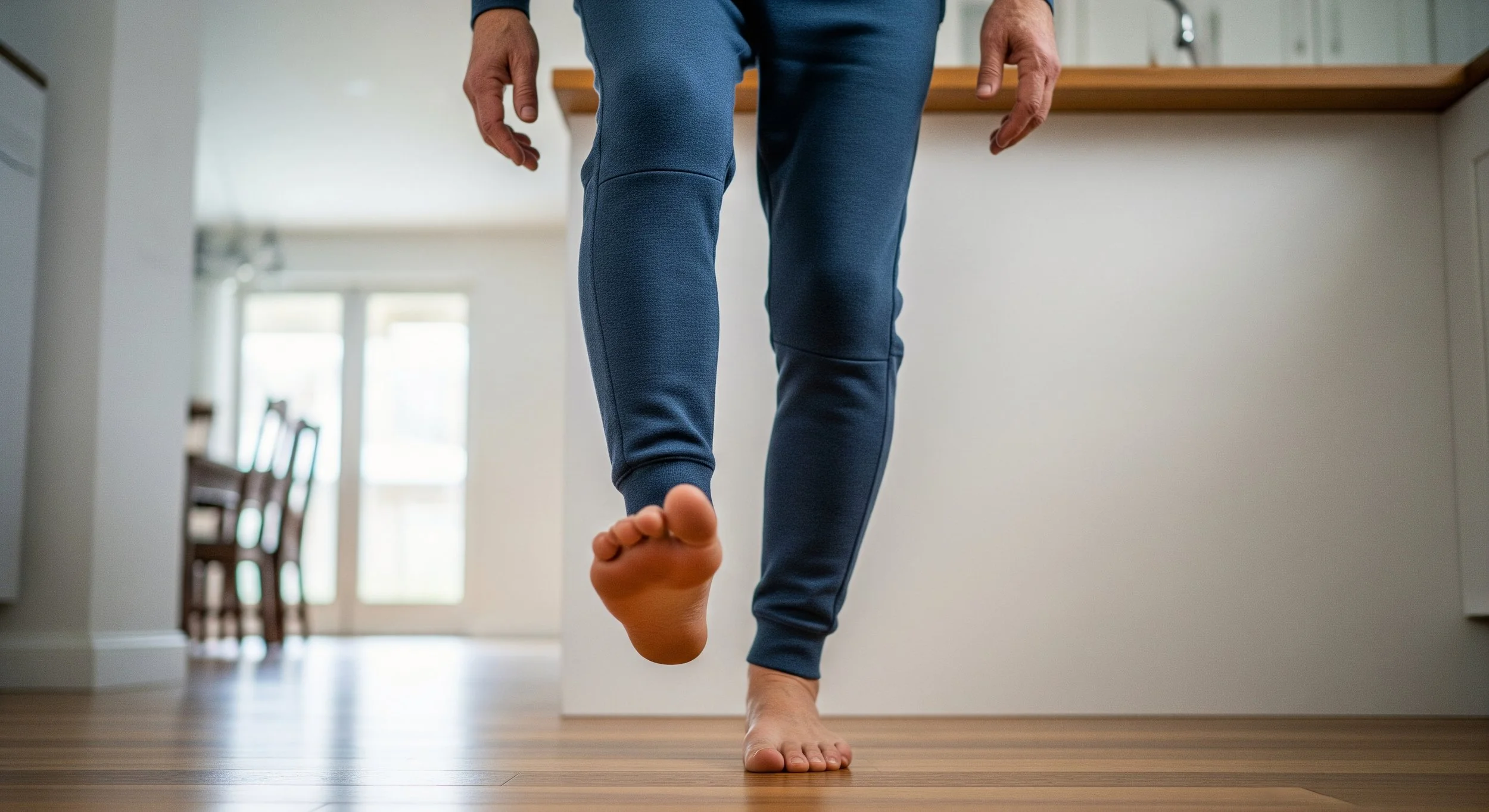
So, how can you work on it? Try these three simple exercises while standing near a wall or sturdy chair:
One-Leg Balance: Shift your weight onto one foot and lift the opposite foot a few inches off the floor. Hold for 30 seconds, switch legs, and repeat two to three times per side.
Tandem Standing: Place one foot directly in front of the other, heel touching toes. Try to stand unassisted for up to 20 seconds, then switch which foot is in front.
Unilateral 3-Way Kick: Stand on one foot and lift the opposite foot slightly off the floor. Slowly move that leg forward, out to the side, and behind you, returning to center between each movement. Switch legs and repeat two to three rounds.
Healthy Holiday Eating

The holidays often bring a change in our eating habits. Between family gatherings, office treats, holiday parties, larger meals, and seasonal favorites, we're surrounded by more food and more opportunities to indulge. While we should enjoy the holidays, moderation still matters.
The goal isn't to avoid your favorite holiday foods or feel guilty about enjoying them. Instead, focus on maintaining healthy habits while making room for the foods you look forward to. A few simple behaviors can help:
Plan before you go. Don't arrive at a holiday gathering overly hungry. Eat your regular meals earlier in the day so you're less likely to overeat when you arrive. Be intentional with portions. Take smaller portions of foods you want to enjoy, then give yourself time before going back for more. Keep moving. Maintain your physical activity. Take a walk after a meal, use the stairs, or find opportunities to stay active. Pay attention to your choices. Research suggests that monitoring portions, exercising, tracking food intake, and self-monitoring can help people manage their weight during the holidays.
Healthy holiday eating isn't about perfection. It's about enjoying the season while continuing behaviors that help you feel your best.
