
Spine Health, Sit and Rise Test, Electrolytes
Spine Health
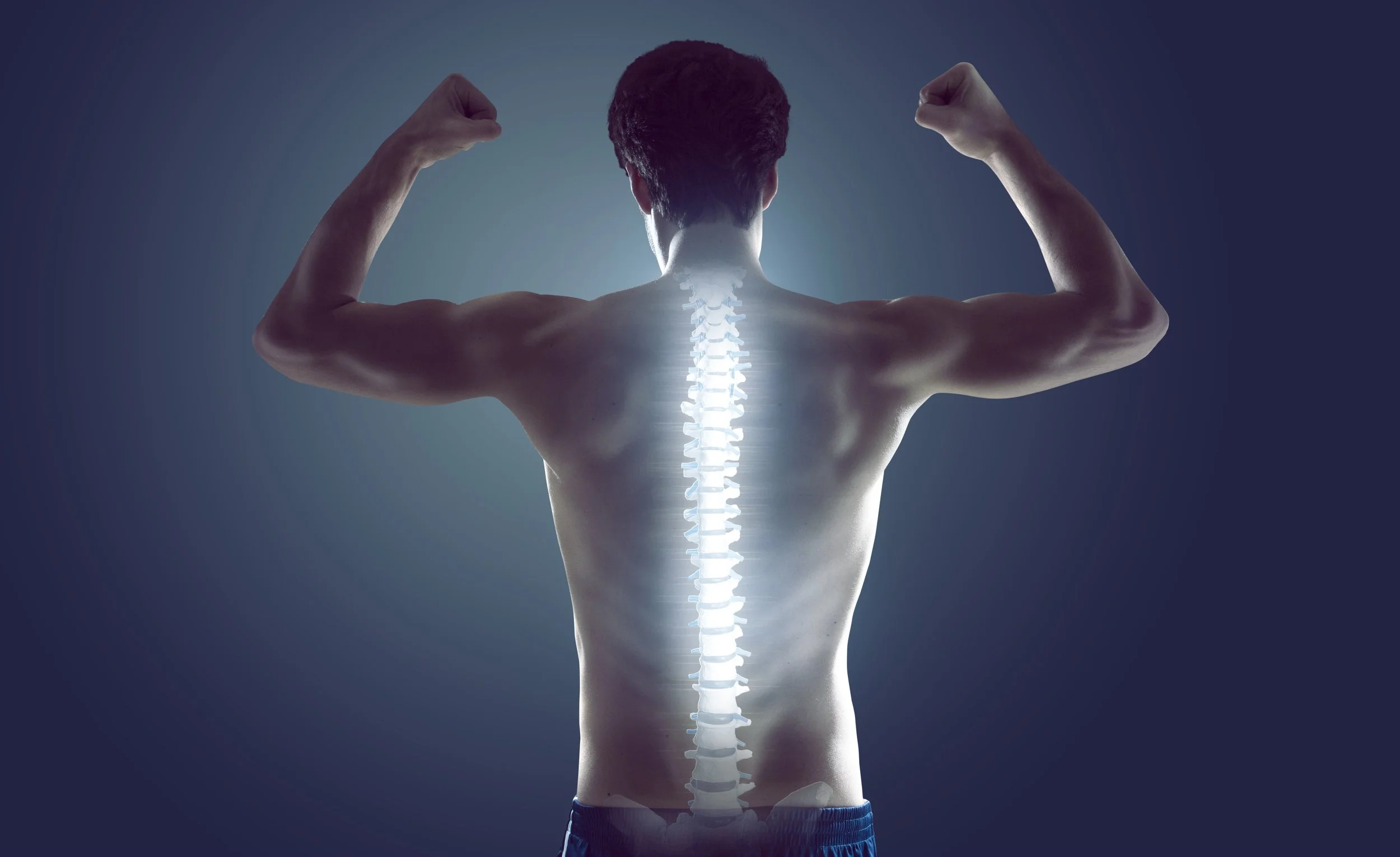
A healthy spine can improve your overall health and wellness, as well as your comfort at your desk. Desk work can put extra strain on your spine when posture and movement are not addressed.
Evaluating your workspace is a good first step. Make sure you can sit comfortably with your feet flat on the floor and your chair supporting your spine. Your computer screen should be in front of you, in a position where you do not need to look up or down or turn to view your work. Using a monitor and limiting laptop screen use can help maintain a better working posture. Keep your keyboard and mouse within reach.
Limiting time in the same position can help the spine as well. Taking the opportunity to walk away from your desk or taking a few minutes to stretch at your desk allows the blood flow back to the static muscles of sitting. Taking advantage of the fall weather and going on a short walk during lunch can help alleviate the strain of static posture and improve your mood as well. Aim to move every 60 minutes of sitting posture.
The health of your spine goes beyond the office setting. Regular physical activity, consistent mobility and stretching, using good lifting techniques, maintaining a healthy weight, and adequate sleep all play a part in the health of your spine.
Sit and Rise Test
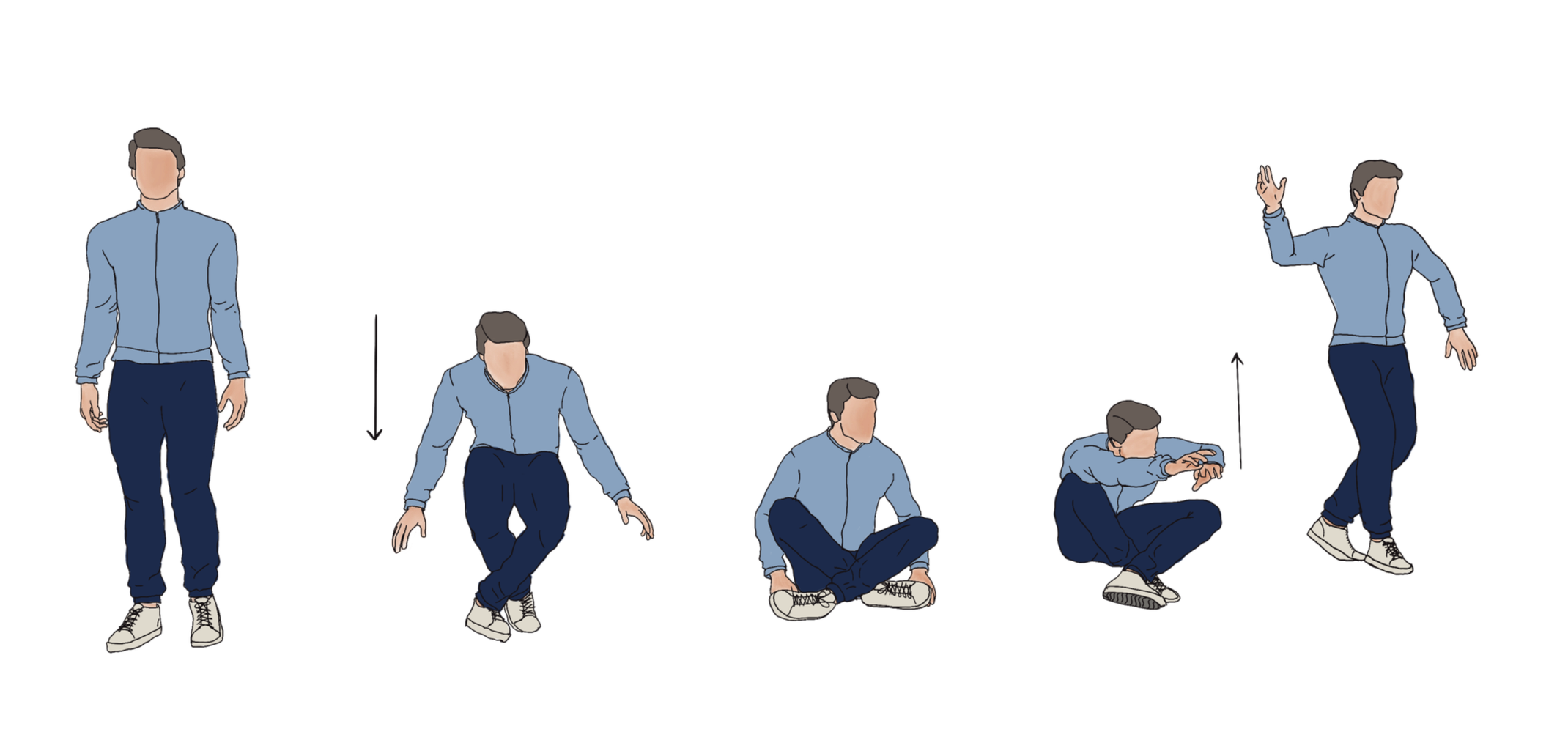

How easy is it for you to stand up from the ground? A simple test can assess this functional movement. The test is simple: getting up from a seated position on the floor without assistance. The scoring is from 0 to 5, with one point being subtracted from 5 for each support used (hand/knee) and 0.5 for unsteadiness or balance issues. This test can assess flexibility in the lower extremities, balance, and strength and has larger implications in overall mortality.
Try It:
Stand in comfortable clothes in your bare feet, with clear space around you.
Without leaning on anything, lower yourself to a sitting position on the floor.
Now stand back up, trying not to use your hands, knees, forearms or sides of your legs.
A study published in 2025 in the European Preventive Cardiology Journal found a correlation between increased mortality and lower scores on this test, using data captured from over 4000 individuals over 25 years. The participants were between 45 and 75 years old, and none of the participants had conditions that would limit their ability to complete the test.
What can you do to improve your score on this test? First off, working on the mobility of your hips, legs, and ankles can help with motions such as standing fluidly from the floor. Regular strength training can address any deficiencies if your legs are not strong enough to lift you off the floor. Lastly, balance issues should be addressed with your provider, especially if they are associated with any dizziness or any recent falls.
Electrolytes
Electrolytes are minerals in your body that carry an electric charge in water and control fluid balance, pH, muscle contraction and relaxation, along with nerve conduction.
Here is the breakdown of the different types:
Sodium: Sodium is an essential electrolyte and works with potassium in cellular transport and is regulated by your kidneys. Sodium deficiency, also referred to as hyponatremia, is the most common form of electrolyte deficiency, which has several symptoms such as headache and nausea. High sodium can also cause ill effects such as breathing irregularities and restlessness.
Potassium: Potassium works together with sodium for cellular movement, and levels that are either too high or too low can affect the muscular system and the cardiovascular system, specifically heart rhythm.
Calcium: Calcium helps remineralize your bones, contract your muscles, send nerve signals, secrete hormones, and assist blood clotting. Deficiencies are often seen along with vitamin D deficiency, as vitamin D controls the absorption of Calcium.
Magnesium: Magnesium helps your body make energy on a cellular level along with neurological functions. Magnesium deficiency can cause muscle weakness and soreness, along with fatigue. Daily use of common acid-reducing drugs can also contribute to a deficiency in this mineral.
