
Check the Fit Before You Sit, Kettlebells, Intermittent Fasting
Check the Fit Before You Sit!
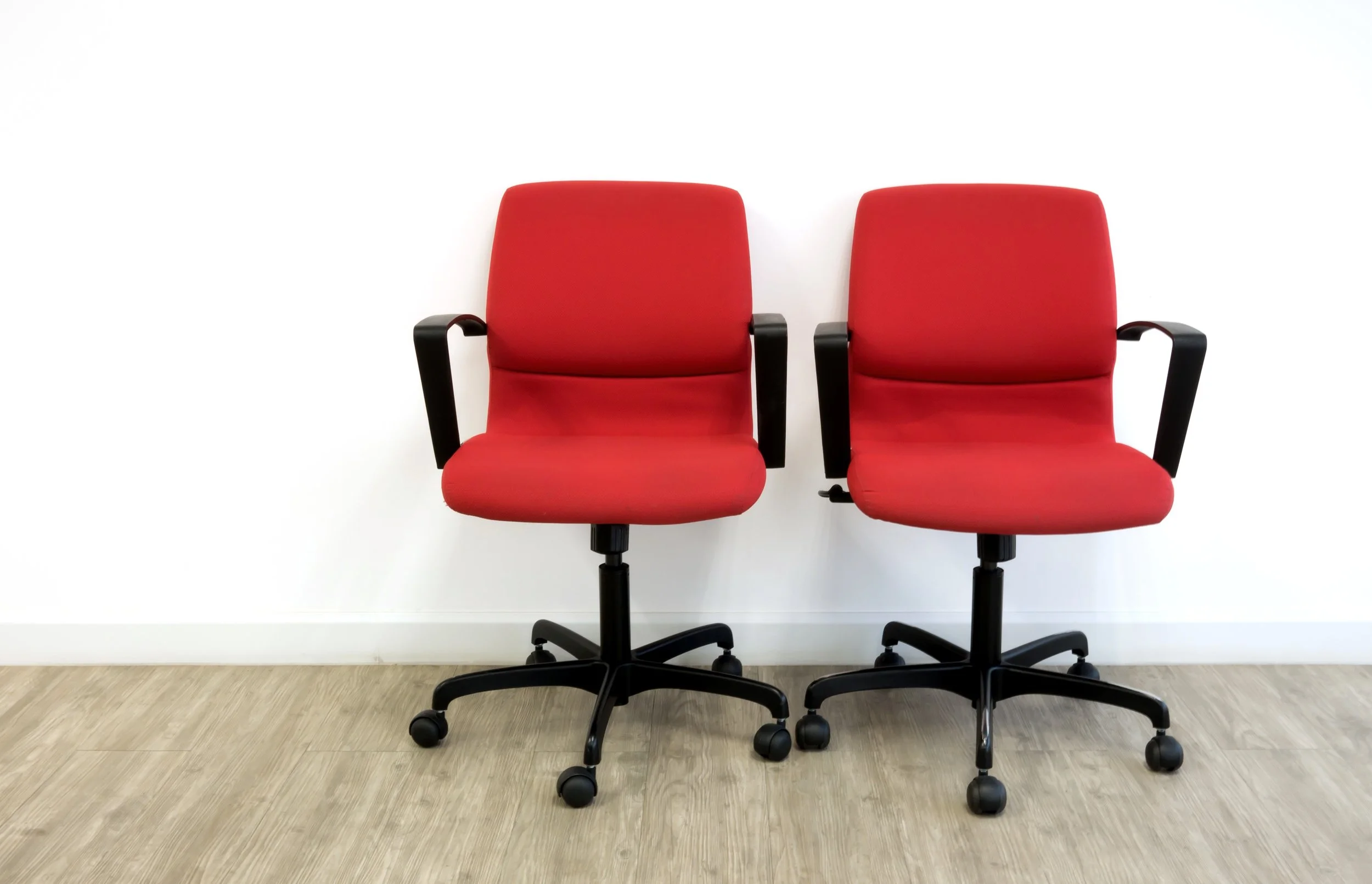
When you enter a typical office, you will notice that the chairs are likely all the same. Office chairs are generally made to fit the “average” person. However, we all know that few people fit the description of “average” when it comes to height, weight, limb length, and overall build. To reduce awkward postures and general discomfort while sitting, it is essential to adjust your chair to provide the best fit for you. First, determine what features of your chair are adjustable. If able, consult your user manual for assistance.
If you don’t have access to the user manual, look along the side, back, and bottom of the chair for levers, knobs, and other adjustment locations. Start by adjusting your seat height. Your feet should rest flat on the floor, and your legs should fit comfortably under your desk. Your knees should be bent to 90 degrees, with the ankles and hips also at approximately 90 degrees.
This is also a good time to adjust the armrests to support the forearms fully, while allowing the arms to reach the workstation. To do this, bend your elbows at about 90 degrees and adjust the armrest(s) height until they barely touch the forearms. Next, adjust the seat pan forward or back. The front edge of the seat and the back of your lower legs should be about a clenched fist (about 5 cm or 2 inches) apart. Your thighs should be well supported without the backs of your knees contacting the front edge of the seat pan. Finally, adjust the lumbar support to comfortably support the lower curve of your spine. If you need help, reach out to a CIPS Athletic Trainer for an ergonomic assessment!
Kettlebells
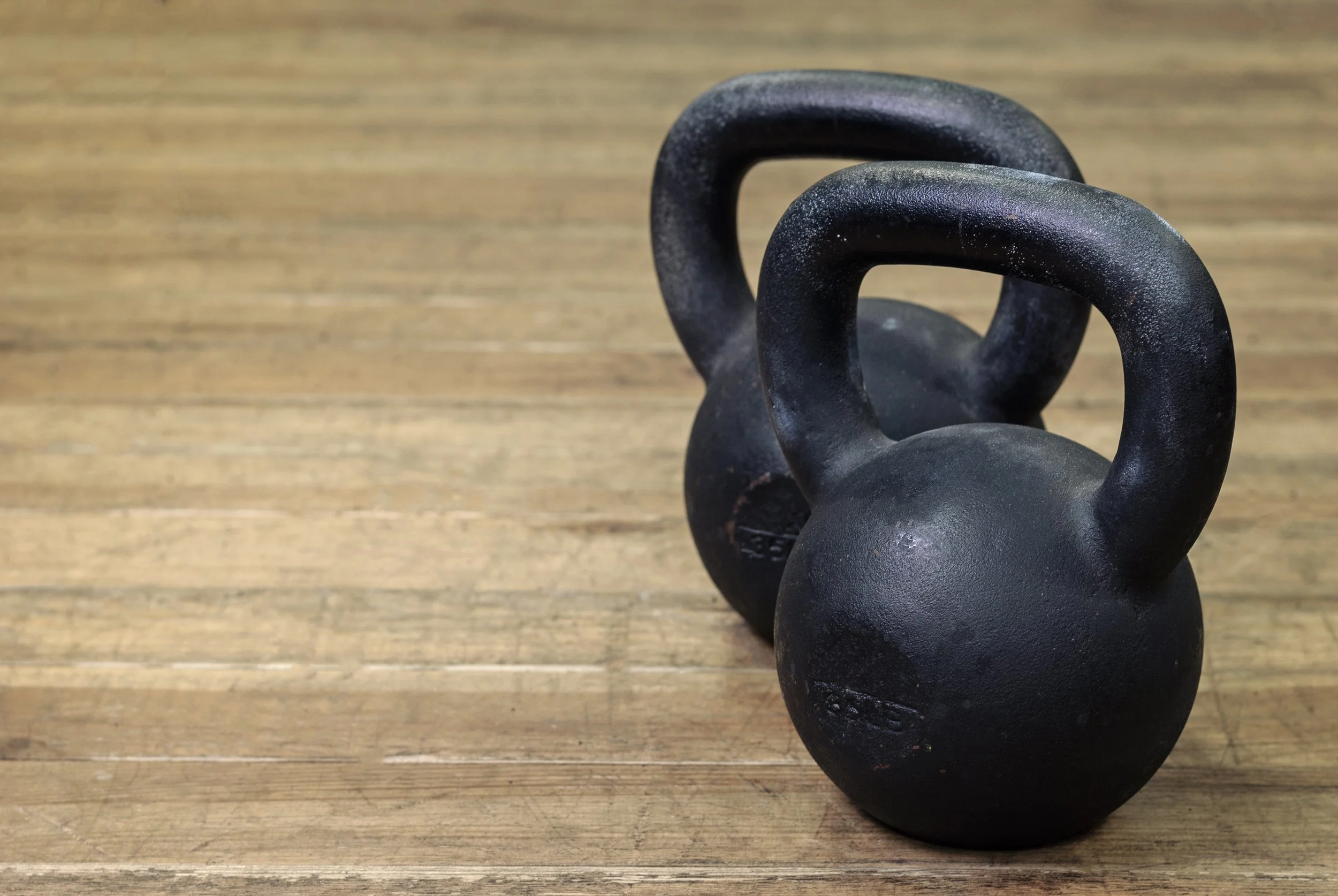
Kettlebells are an affordable, versatile piece of exercise equipment that can support a variety of workouts and are adaptable to different fitness levels. Kettlebell workouts can include quick, explosive ballistic movements like swings and snatches, as well as slower, strengthening movements like rows and shoulder presses. When purchasing or selecting equipment, start small. Use lighter weights to build strength and improve form. Gradually increase weight as you build strength, stamina, and mobility. Kettlebells are available in set weights from 5 lbs to over 100 lbs, as adjustable sets, or as handles that can attach to existing dumbbells or plate weights.
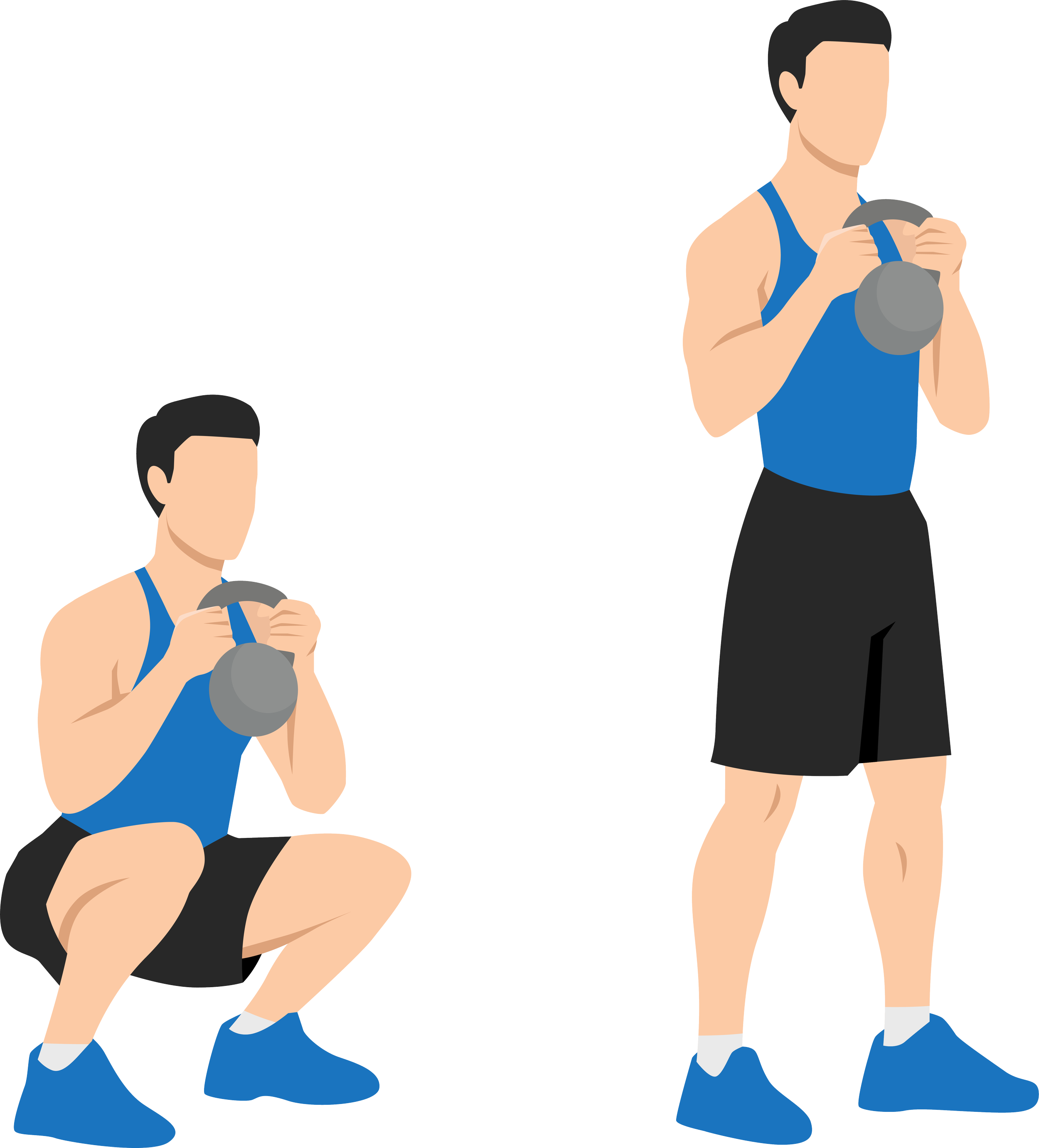
Want to try a kettlebell workout for yourself? Here is a beginner-friendly routine to get started. Perform each exercise 8-10 times. Rest for 30 seconds, then begin the next exercise. Repeat the circuit 3 times.
Goblet Squats: Hold the kettlebell at chest level. Squat down, keeping your chest up and back straight, as if sitting in a chair. Drive up through your heels to stand.
Kettlebell swings: Bend slightly at the hips and knees as you swing the bell back between your legs. As you squeeze and brace your abdominal muscles and glutes, drive your hips forward to drive the bell to chest/eye level.
Kettlebell Rows: Stand with your hips hinged forward, and a flat back, letting the bell hang down in front of you in one hand. Pull the kettlebell back towards your hip, squeezing your back muscles, then lower with control. This can also be done in a kneeling position or on a bench.
Kettlebell Deadlift: Stand with the kettlebell in front of you, with your arms extended down toward your thighs. Hinge at the hips while keeping your back flat, to lower the bell just above the floor, then squeeze your glutes to stand back up.
Overhead Press: With your arms in front of you, and the bell at chest height, press the bell overhead, keeping your core tight, then lower it back down with control.
Intermittent Fasting

Intermittent fasting is an increasingly popular tool frequently used for weight loss. The practice involves cycling between periods of eating and fasting to promote various purported health benefits. Intermittent fasting uses eating patterns that target dedicated periods of time (ranging from 12 hours to several days) during which little or no calories are consumed. It is theorized that during fasting, the body metabolizes stored fatty acids and triglycerides from fatty tissues for energy. This can aid weight loss, improve insulin sensitivity, and boost cellular repair. Common methods include the 16/8 method, where you fast for 16 hours and eat within an 8-hour window, or the 5:2 approach, which involves two non-consecutive days of restricted-calorie intake. Keep in mind that intermittent fasting may not be the right fit for everyone. Always consult a healthcare professional before starting any fasting regimen.
