
Understanding Carpal Tunnel Syndrome, Winter Sports, Benefits of Napping
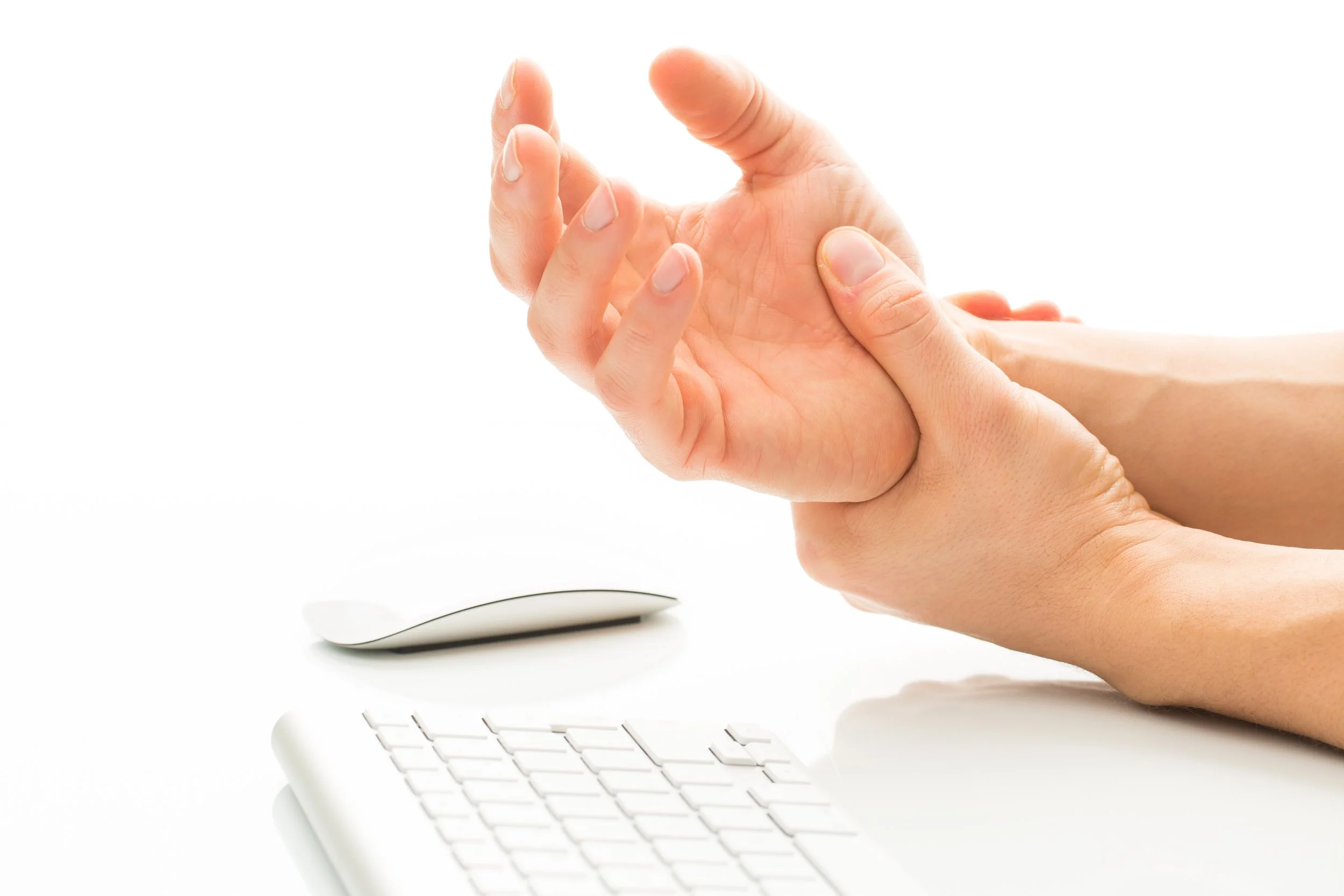
Understanding Carpal Tunnel Syndrome
Confidence doesn’t always arrive with a bold entrance. Sometimes, it builds quietly, step by step, as we show up for ourselves day after day. It grows when we choose to try, even when we’re unsure of the outcome. Every time you take action despite self-doubt, you reinforce the belief that you’re capable. Confidence isn’t about having all the answers — it’s about trusting that you can figure it out along the way.
The key to making things happen isn’t waiting for the perfect moment; it’s starting with what you have, where you are. Big goals can feel overwhelming when viewed all at once, but momentum builds through small, consistent action. Whether you’re working toward a personal milestone or a professional dream, progress comes from showing up — not perfectly, but persistently. Action creates clarity, and over time, those steps forward add up to something real.
You don’t need to be fearless to reach your goals, you just need to be willing. Willing to try, willing to learn, and willing to believe that you’re capable of more than you know. The road may not always be smooth, but growth rarely is. What matters most is that you keep going, keep learning, and keep believing in the version of yourself you’re becoming.
Winter Sports

As winter approaches and temperatures drop, many people find themselves spending more time indoors. Winter can offer a wide range of exciting new activities that you just can’t enjoy during the warm summer months*.
If downhill skiing and snowboarding seem too intense for your liking, why not give cross-country skiing a try? Cross-country skiing offers a full-body workout while allowing you to enjoy a peaceful winter landscape. Even more casual activities like sledding, snowshoeing, or building a snowman can allow you to reach your physical activity goals, while also allowing for great family fun.
The ice can also offer a new sense of adventure as you explore winter sports. Figure skating and ice hockey can help train the body to work in new ways, facilitating better overall balance and coordination.
There are also benefits to being outdoors and in the winter air. Cool, fresh air can help support the immune system, cleanse the lungs, boost mood, and reduce stress. It may enhance sleep quality while also improving energy and focus.
Winter sports can provide fresh air and a much-needed break from traditional indoor routines. Not only do they target physical health, but they can also play an important role in promoting mental health and mental resilience. Bundle up and enjoy the best that winter has to offer!
*Always check with your physician before starting a new physical activity.
Benefits of Napping
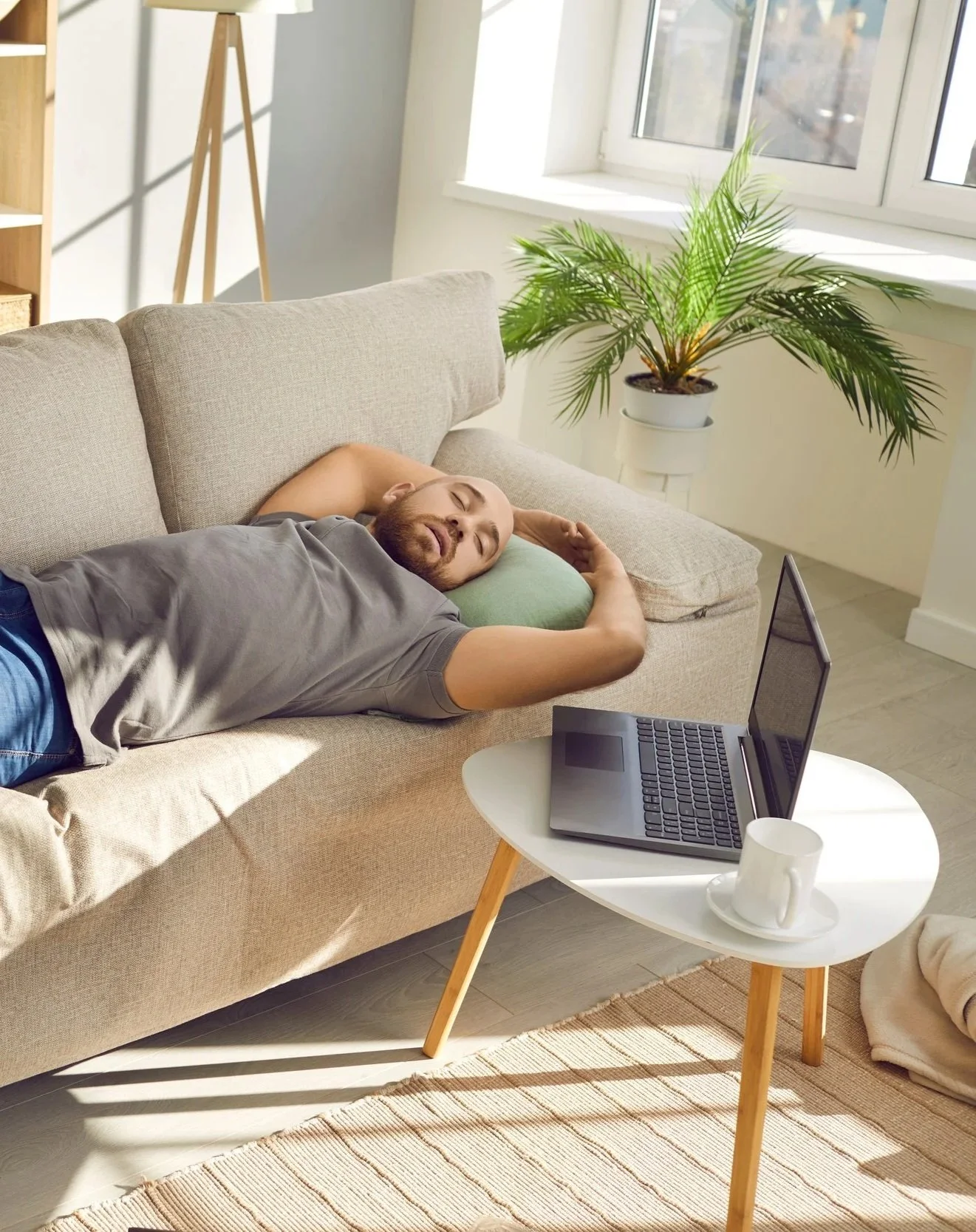
Naps aren’t just for kids; adults can benefit from a quick midday snooze as well. Taking advantage of a short, timed rest break can actually produce physical and mental health benefits. Research shows that taking a brief nap can actually lead to increased performance, mood, and overall well-being. Just 10-25 minutes can boost alertness and decrease midday fatigue. It is important to stick to these “power naps” as they tend to avoid the grogginess that may arise from longer sleep sessions.
Lack of sleep can make stress and irritability harder to manage. Napping lowers cortisol, which is the body’s stress hormone. Lower cortisol levels promote the regulation of emotions and feelings of calm. Naps may also help support cardiovascular health by lowering blood pressure and reducing physical stress on the body.
Napping also supports memory consolidation, learning, and problem-solving. Reaction times improve, mistakes decrease, and creative thinking becomes easier after a nap. Adults who nap regularly are better at retaining new information and performing complex tasks. A nap can also help you break through mental blocks and return to work with a fresh perspective. The mini reset allows the brain to process and store knowledge. This recharge allows many people to return to work with a sharper focus and renewed energy.
While naps shouldn’t replace good nighttime sleep, they can be a healthy habit when done correctly as part of a balanced lifestyle. Happy Napping!
