
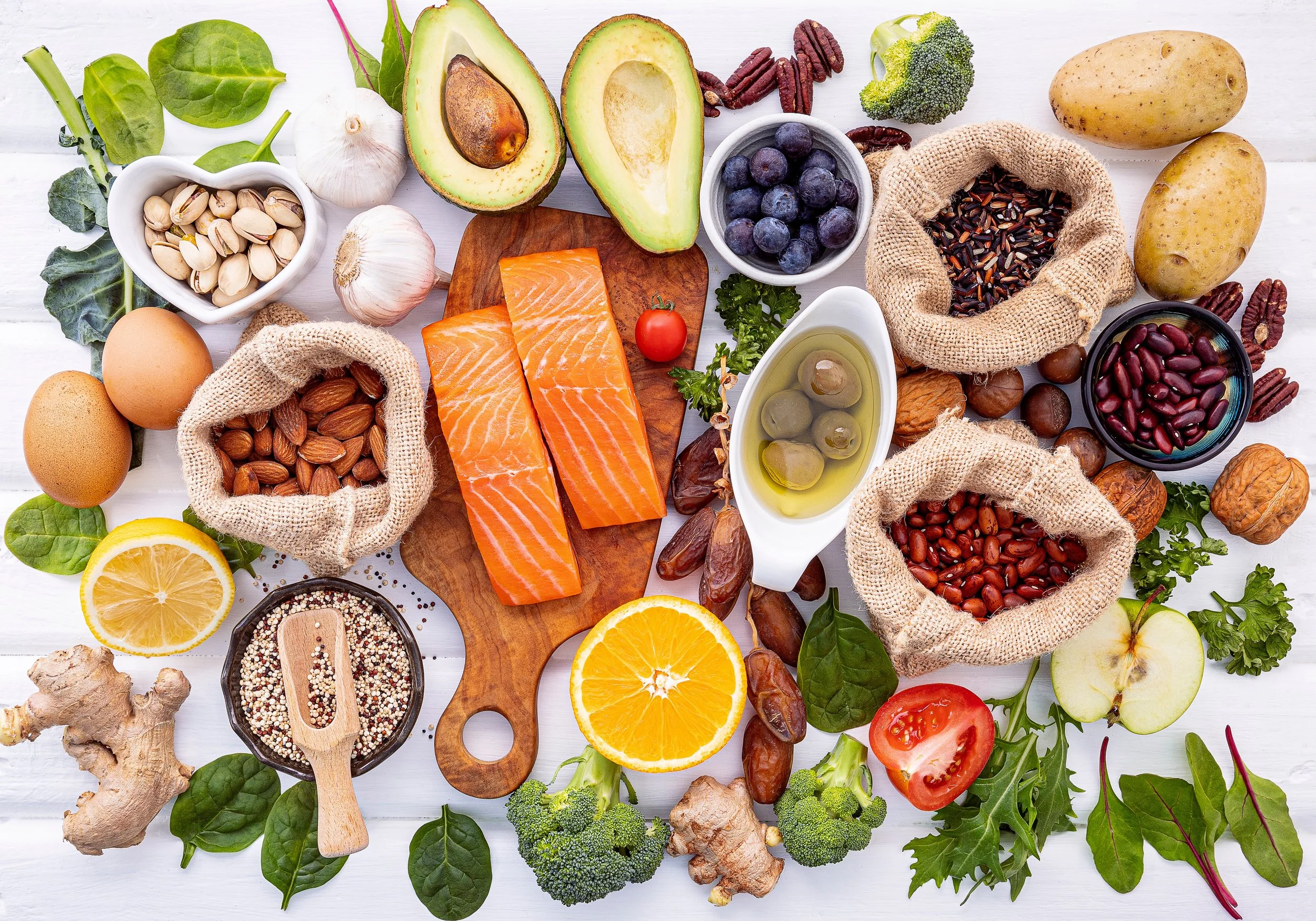
Saturated vs. Unsaturated Fat
Fat as a whole is one of the main macronutrients that make up your total caloric intake. You can split fat into two categories: unsaturated and saturated. Saturated fat is typically referred to as the “bad” fat, and in excess amounts, can lead to increased LDL levels, heart disease, weight gain, and even stroke. Saturated fat is found in foods such as butter, cheese, fatty cuts of red meat, high-fat dairy, coconut oil, and palm oil. Unsaturated fat is considered the “good” fat, which can lower bad cholesterol, reduce the risk of heart disease, reduce inflammation, and improve blood sugar control. It’s recommended that 20% to 35% of your total daily calories come from unsaturated fats, such as polyunsaturated and monounsaturated fats, and less than 10% of your daily calories from saturated fats.
Omega-3 Fatty Acids
Unsaturated fat can also be categorized. Omega-3 fatty acids are a type of unsaturated fat, and omega-3 fats can reduce triglyceride levels, reduce heart disease risk, decrease inflammation, and lower blood pressure. There are three main types of omega-3 fatty acids found in food. They are often labeled by three-letter acronyms: ALA (alpha-linolenic acid), DHA (docosahexaenoic acid), and EPA (eicosapentaenoic acid).
Food Sources:
Fatty fish such as salmon, herring, sardines, lake trout, and Atlantic/Pacific mackerel, Walnuts, Flaxseed, Chia seeds, Hemp seeds, Eggs
If you struggle to include these specific food sources, it is recommended to supplement your omega-3 intake with a good-quality omega-3 supplement from a brand such as Nordic Naturals.
article written by Taylor Schirra, MHSc, RDN, LDN
Try out this delicious Lemon Herb Baked Salmon Recipe to get some much needed omega-3 fatty acids.
