
Neck Range of Motion, Strap Assisted Neck Rotation, Basal Metabolic Rate
Neck Range of Motion: Key for Electrical Workers

Electrical utility workers often perform prolonged overhead tasks, requiring sustained neck extension and rotation. Adequate neck range of motion [flexion (down), extension (up), rotation (left/right), and lateral bending (ear to shoulder)] reduces the risk of musculoskeletal disorders and discomfort. Maintaining this range of motion improves safety and task accuracy, reduces fatigue, and helps prevent chronic injuries. Most importantly, proper neck range of motion allows workers to look left, right, and up without compensating in their backs, minimizing the risk of accidental contact with “hot” components.
Strap Assisted Neck Rotation
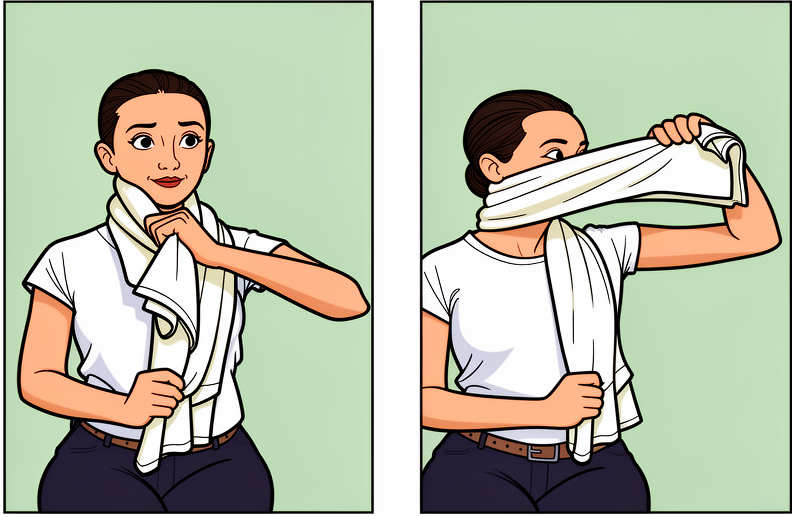
Sit upright with a rolled towel, belt, or strap around the back of your neck at the targeted level. Hold one end in each hand, crossing arms if needed.
To rotate right: Use your left hand to pull the towel upward toward your right eye, while your right hand pulls it gently downward. Actively rotate your head to the right to end-range, applying gentle, sustained pull. Hold 3–10 seconds if pain-free, then relax. Repeat 3–6 times per side.
The exercise should maintain 100% pain-free motion.
Basal Metabolic Rate
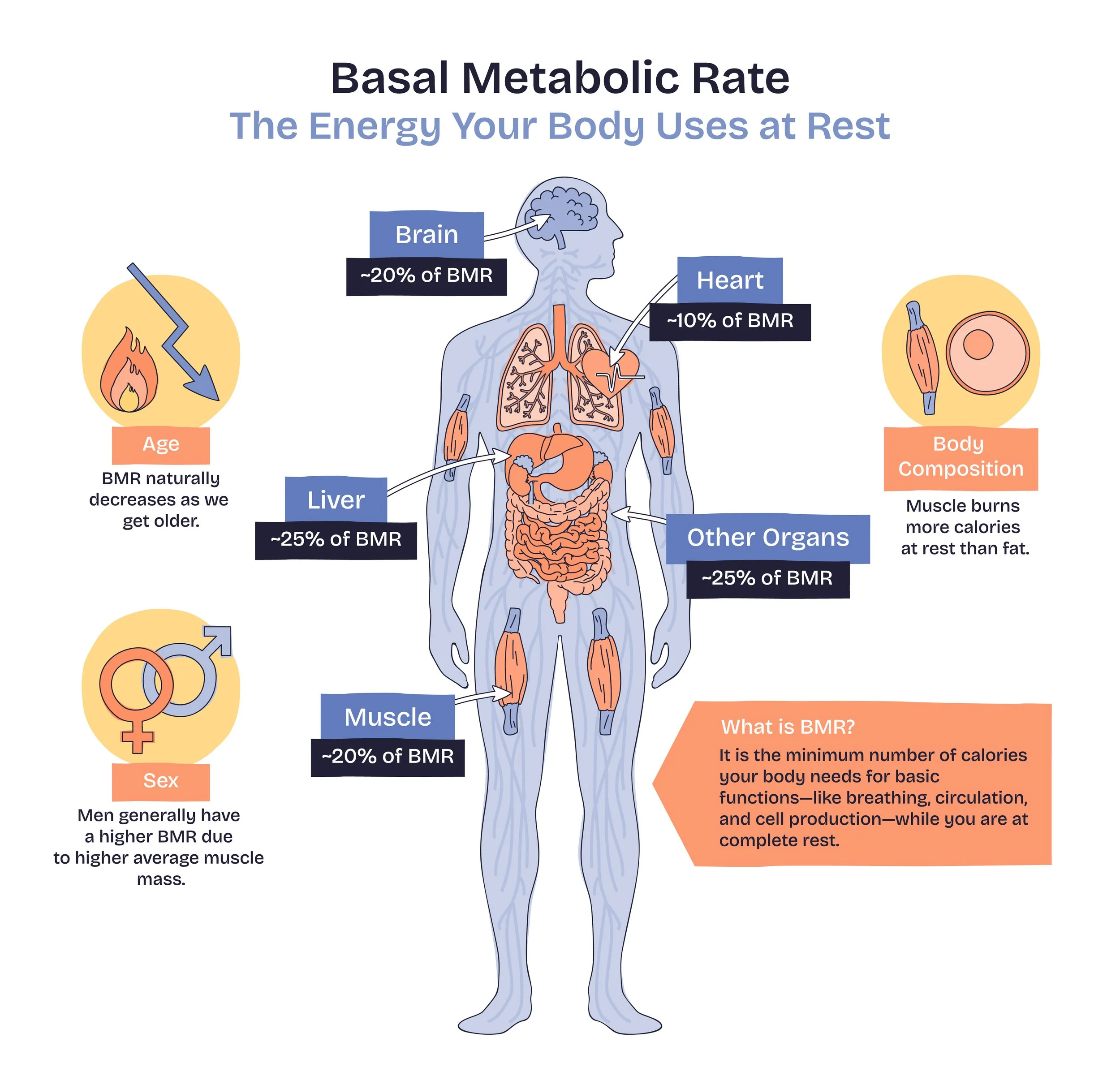
BMR is the number of calories required by the body to maintain essential functions at rest. Often, this number is higher in utility workers due to muscle mass from climbing, lifting, and physical work. Intermittent fasting or caloric restriction may have negative effects on the body when restricting beyond one’s BMR for prolonged periods if you have low body fat. Thus, it is important to know your BMR. Use this equation to determine yours:
66.47 + (6.24 x lbs) + (12.7 x height inches) - (6.755 x age)
