
Rotating Job Task, Vitamin C, Thoracic Stretching
Rotating Job Task
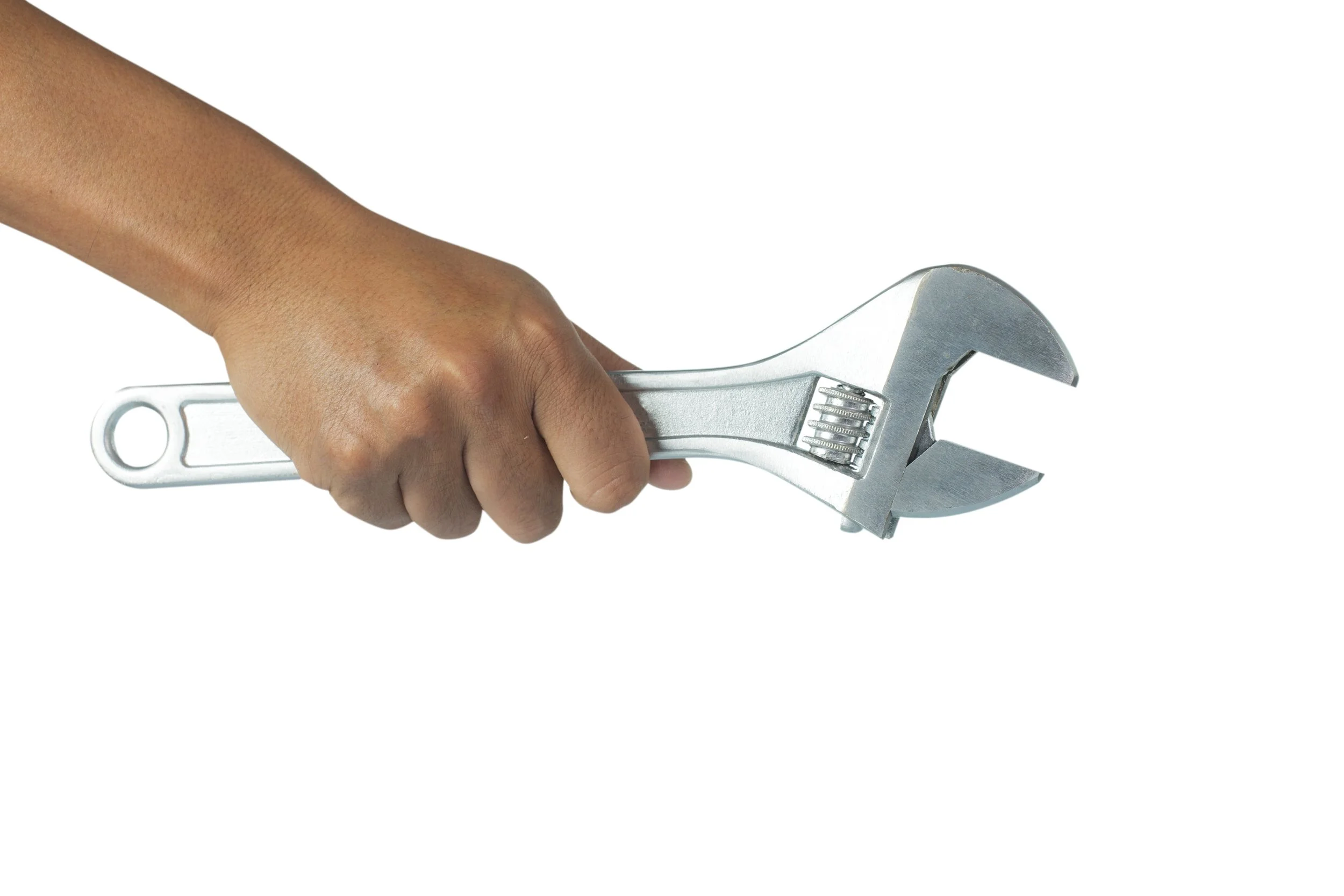
Repetitive and sustained awkward postures stress the body. Rotating job tasks is an effective solution to rest muscles, reducing strain on areas like the shoulders and back. Rotate tasks involving reaching, wiring, or sustained sitting/stooping. Rotate moderately repetitive work every 1–2 hours, and highly repetitive or forceful tasks every 30–60 minutes. Short micro-breaks (30–90 seconds) every 20–30 minutes also relieve strain. Effective rotation varies muscle use and provides meaningful recovery, reducing fatigue and injury risk.
Vitamin C

Vitamin C is a powerful antioxidant that supports the immune system, promotes healthy skin by aiding collagen production, and helps the body absorb iron from plant-based foods. Many people do not get enough vitamin C during the winter months due to limited access to fresh fruits and vegetables. Foods rich in vitamin C include citrus fruits like oranges and lemons, strawberries, kiwi, bell peppers, broccoli, and tomatoes. Supplementation can help meet the recommended vitamin C intake of ~75mg/day, but be sure to consult your doctor prior to adding any supplements.
Thoracic Stretching
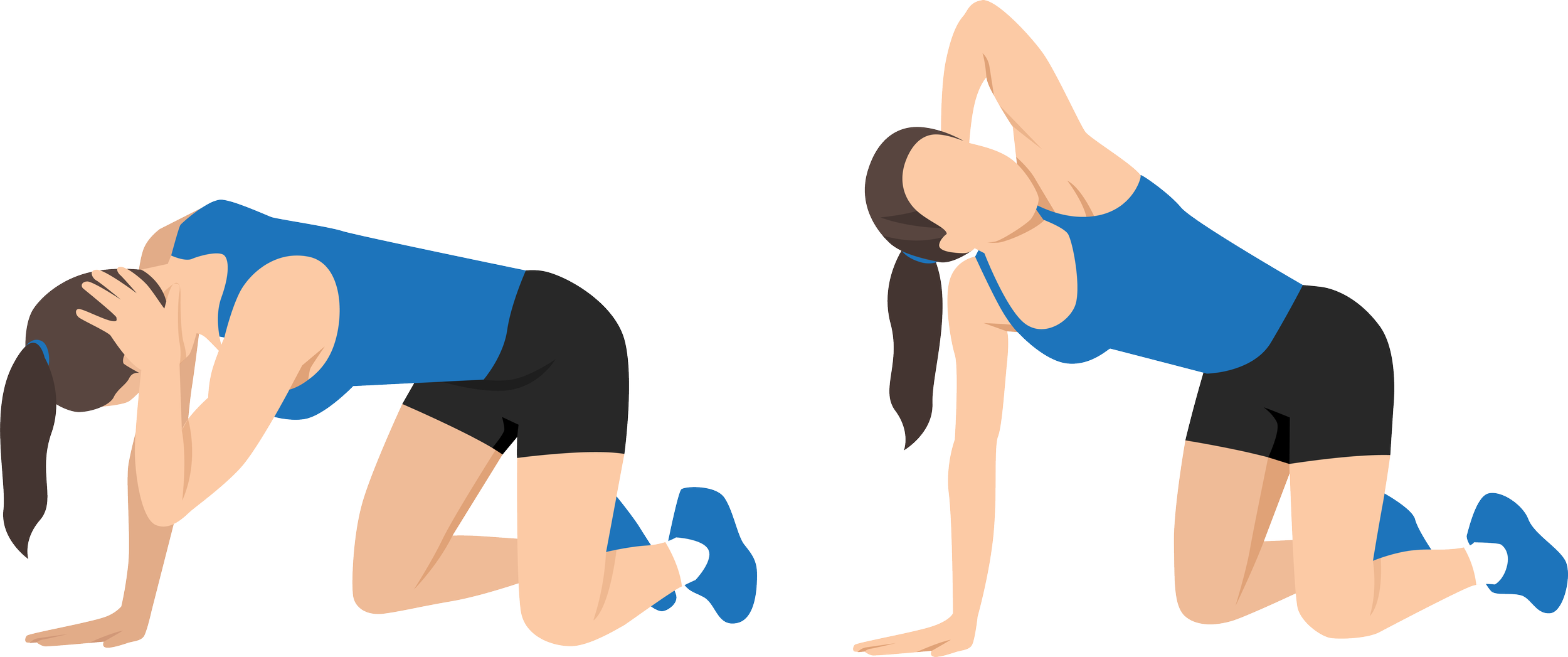
Thoracic stretching improves mobility in the upper and mid-back, helping reduce stiffness, poor posture, and shoulder or neck discomfort. Benefits include improved spinal alignment, better breathing, and flexibility. To perform the quadruped thoracic stretch, start on hands and knees. Place one hand behind your head. Rotate your elbow towards the opposite hand, then sweep it up towards the ceiling, following with your gaze. Hold for 15–30 seconds, repeating 2–3 times.
