
Cold Weather Lifting, Winter Hydration, Standing Calf Stretch
Cold Weather Lifting
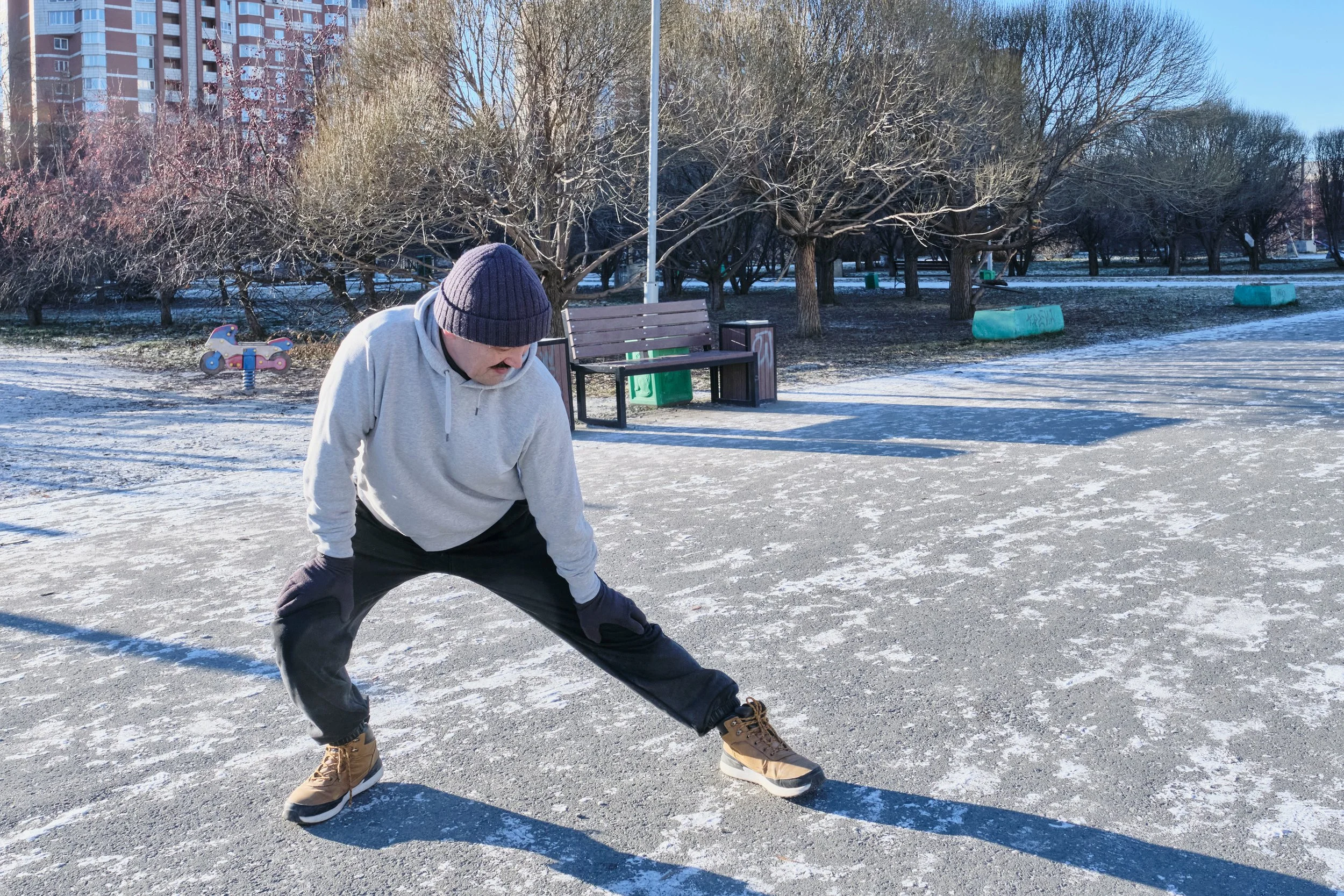
Cold weather can make muscles and joints stiffer, increasing the risk of sprains and strains when lifting heavy objects. Take the time to warm up before any lift with simple movements. Some examples include marching, bodyweight squats, arm swings, and simple upper- and lower-body stretches. This quick warm-up will increase blood flow and mobility, helping you safely handle heavy loads. Warming up is crucial for early shifts or when your body is tight from the cold.
Winter Hydration

Even in cold weather, hydration is important. You can lose fluids through work activity, heavy clothing, and even just breathing. Often, you will not realize you are becoming dehydrated. Dehydration can cause fatigue, cramps, poor concentration, and increase your injury risk. To stay safe and energized, regularly sip water, even if not thirsty. Keep a water bottle accessible. Warm drinks like tea or electrolyte mixes also aid hydration in low temperatures.
Standing Calf Stretch
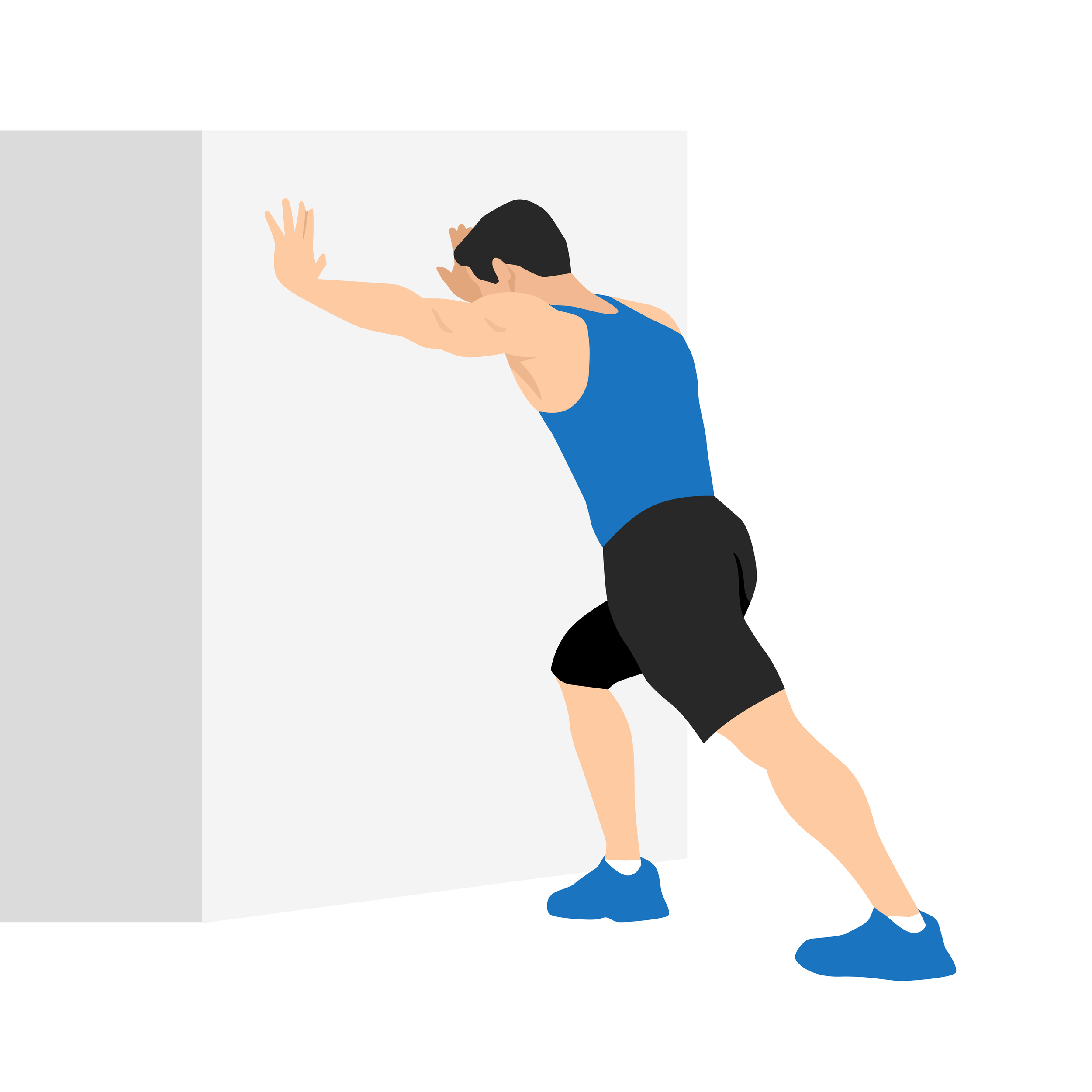
The standing calf stretch exercise can help relieve tight calves.
Stand at arm's length from a wall put your palms flat against the wall
Keep one leg back with your knee straight and your heel flat on the floor.
Slowly bend your elbows and front knee until you feel a stretch in your calf.
Hold this position for 30 seconds.
Repeat 3 timesSwitch leg positions and repeat with your
other leg
