
Don’t Just Sit There, Strong Shoulders-Stronger Days, Sweet Choices
Don’t Just Sit There

Prolonged sitting is more than just working at your desk all day. Our daily routines of driving, scrolling on the phone, or watching TV all contribute to sedentary behavior. While that might sound like a normal part of everyday life, too much sedentary time takes a toll on your body.
From a health perspective, the impact of sitting too long shows up in ways you can feel and some you can’t. Most noticeably, it can lead to stiffness or discomfort, especially in the low back, neck, and hips. This is a result of your body remaining in the same position for extended periods of time. The bigger concern happens beneath the surface. When you sit for long stretches, circulation slows, and your body becomes less efficient at regulating blood sugar and fat levels. Over time, this can increase your risk for conditions like heart disease and type 2 diabetes. What surprises many people is that even if you exercise regularly, long periods of uninterrupted sitting can still have negative effects.
The good news is that you don’t need a complete lifestyle overhaul to make a meaningful change. Small, consistent adjustments can go a long way.
Stand up and move for a few minutes every 30–60 minutes.
Take a quick walk in between calls, stand while answering emails, or create short stretch breaks.
Set movement reminders, use a sit-stand desk, or schedule a lunchtime walk with a coworker.
Small changes can make movement feel more automatic.Ultimately, the goal isn’t to avoid sitting altogether; it’s to avoid staying still for too long. Movement is something your body needs regularly, not just something you check off during a workout.
Stronger Shoulders, Stronger Days
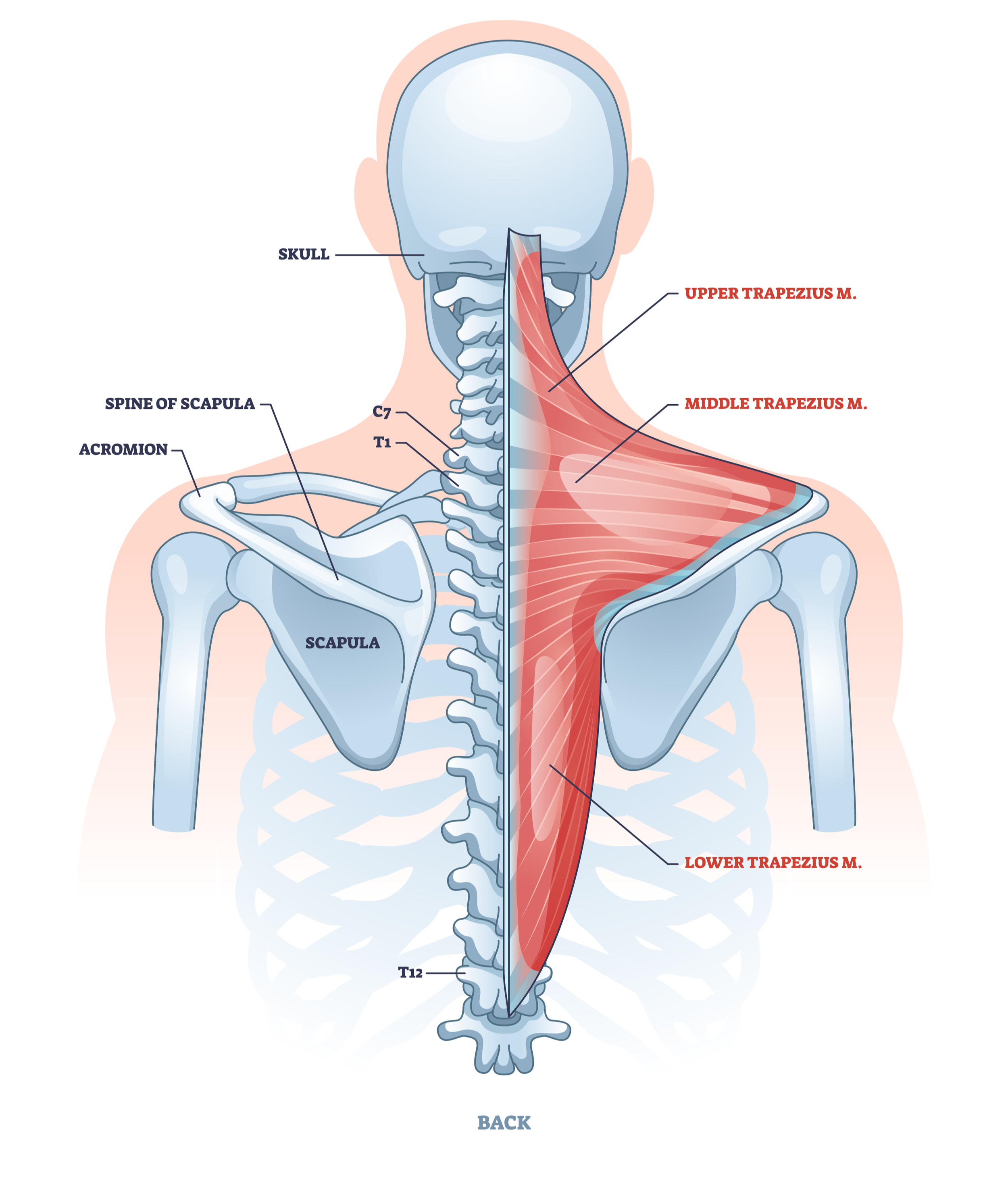

Shoulder strength doesn’t usually get much attention until something starts to hurt. But your shoulders play a role in almost everything you do, from reaching overhead to carrying groceries to simply maintaining good posture at your desk. The shoulder is one of the most mobile joints in the body, which makes it incredibly useful, but also more dependent on muscle support for stability and control.
When those supporting muscles, especially the rotator cuff and scapular stabilizers, aren’t doing their job, things can start to break down. Research shows that shoulder weakness is closely tied to pain, reduced function, and difficulty with everyday tasks. Over time, you may notice discomfort when lifting your arm, lack of endurance, or discomfort radiating into your neck and upper back. The tricky part is that these issues often build gradually, especially for people who spend long hours sitting or working in front of their bodies.
The good news is that improving shoulder strength doesn’t require a complicated routine or heavy equipment. A few simple, consistent exercises can go a long way.
First, try resistance band external rotations to strengthen the rotator cuff.
Anchor the band at waist height, bend your elbow to 90° and keep it pressed against the side of your body. Rotate your forearm outward slowly, way from the band’s anchor, then slowly return.
Second, add scapular squeezes to improve stability and posture.
Sit or stand tall, squeeze your shoulder blades back and together, hold 2–3 seconds, then release.
Third, use light dumbbells for front and lateral shoulder raises to increase stability.
For front raises, hold a dumbbell in each hand, lift your arms straight forward to shoulder height, pause, and lower slowly.
For lateral raises, hold a dumbbell in each hand, lifting your arms out to the side to shoulder height, pause, and lower slowly.
Sweet Choices
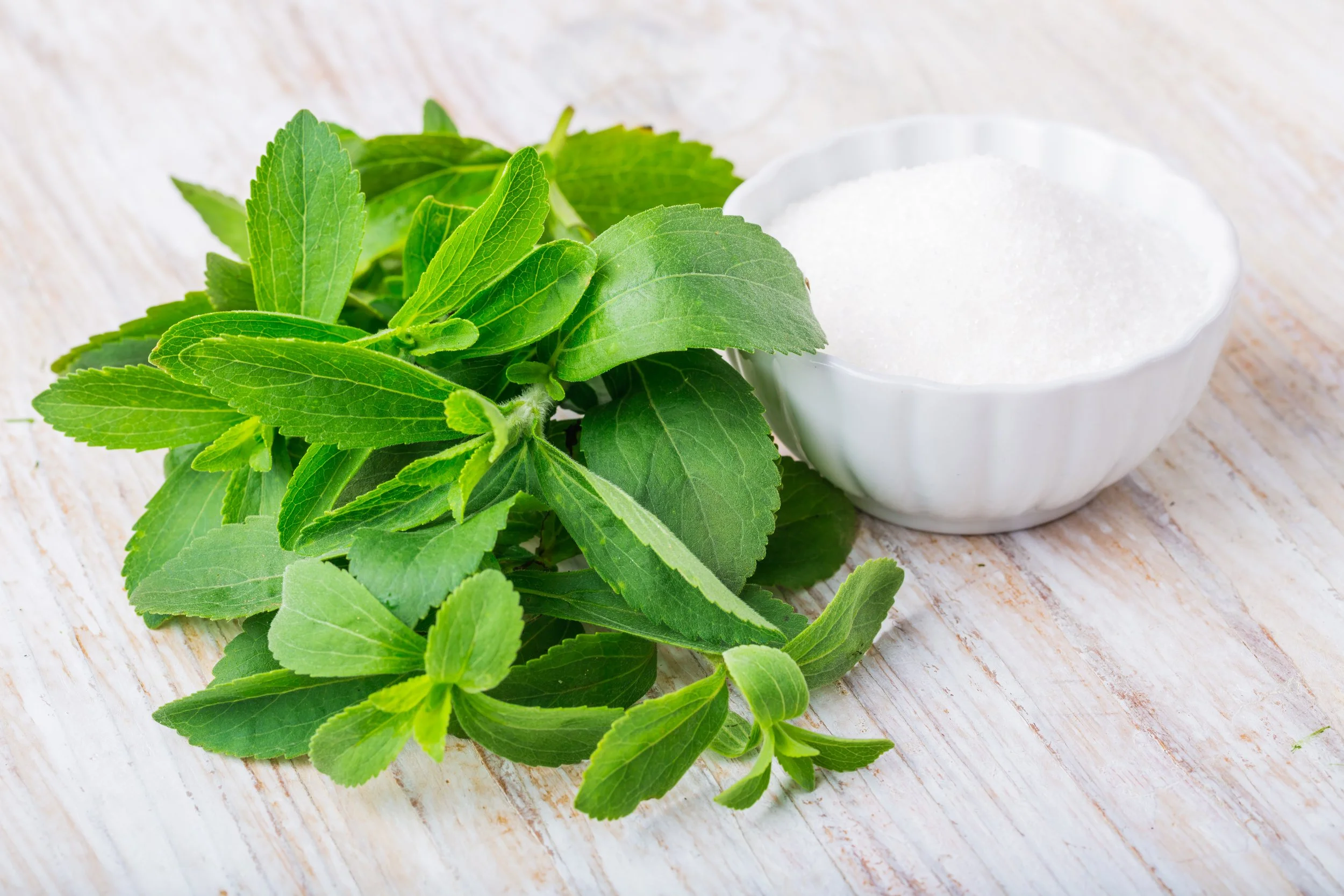
Artificial sweeteners are compounds used to replace sugar in foods and drinks to provide sweetness without the extra calories. Common examples include aspartame, sucralose, and stevia-based products. They’ve become popular for people looking to manage weight and to control blood sugar levels.
One of the main benefits is calorie control. They also don’t cause spikes in blood glucose, making them a tool for people with insulin sensitivity or diabetes.
However, artificial sweeteners are not without concerns. Some studies suggest that overuse may alter gut bacteria, affect appetite regulation, or even be linked to metabolic changes depending on the amount consumed. Research is ongoing about the potential risks associated with artificial sweeteners and other diseases.
For those who want a more natural approach, healthier alternatives include small amounts of honey, maple syrup, or fruit purées. Portion control matters because while these options provide sweetness with added nutrients and fiber, they still contain sugar.
The takeaway? Artificial sweeteners can be a helpful alternative, but need to be used wisely. Balancing them with whole foods and focusing on overall dietary patterns is the best strategy for both health and enjoyment.
